Hadestown: From Myth to Award-Winning Musical
Introduction
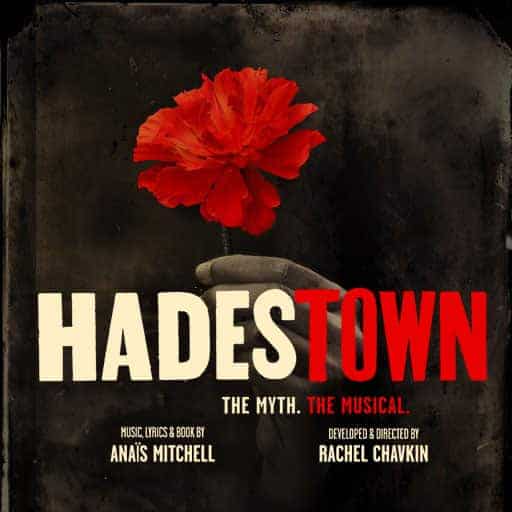
Hadestown remains a notable example of how ancient stories can be retold to reflect contemporary concerns. The musical, created by singer-songwriter Anaïs Mitchell, reworks the Greek myths of Orpheus and Eurydice and Hades and Persephone into a modern, often industrial-sounding fable. Its relevance lies in the way it blends folk, jazz and theatrical storytelling to explore themes such as love, labour, climate and the cost of survival—issues that resonate with 21st-century audiences worldwide.
Main body
Origins and Development
Hadestown began life as a concept album released by Mitchell in 2010. The album gathered attention for its vivid storytelling and distinctive musical voice, and over the following years it was adapted for the stage. Mitchell collaborated with director Rachel Chavkin during a multi-year development process that took the piece from workshop productions to full theatrical runs. The staged version premiered in influential off‑Broadway and regional theatres before transferring to Broadway in 2019.
Stage Production and Reception
On stage, Hadestown combines an intimate folk sensibility with striking theatrical design and a chorus-like ensemble that functions as both narrator and community. Critics and audiences praised the production for its inventive staging, strong score and emotional clarity. The musical received wide recognition during awards season and was honoured with multiple Tony Awards, including Best Musical and recognition for its score. Reviewers have noted how the show’s patina of Americana and blues-inflected arrangements gives fresh weight to the ancient tale.
Themes and Cultural Impact
Beyond its theatrical achievements, Hadestown has prompted renewed interest in retellings of classical myths and in musicals that foreground contemporary social anxieties. Its focus on power dynamics—between ruler and worker, abundance and scarcity, spring and winter—has made it a touchstone for conversations about inequality and hope. Songs from the show, such as its more contemplative numbers, have found life beyond the theatre in recordings and streaming platforms.
Conclusion
Hadestown’s journey from a 2010 concept album to an award-winning stage musical underlines the enduring power of myth when refracted through modern artistic voices. For theatre‑goers and music listeners, its continued presence in touring productions and recorded form suggests the story will remain both a popular and a critically respected work. As societies grapple with questions of labour, climate and human connection, Hadestown’s retelling of Orpheus and Eurydice will likely continue to feel timely and thought‑provoking.





