The Spitfire: Enduring Icon of British Aviation
Introduction: Why the Spitfire Still Matters
The Spitfire is more than a historic aircraft; it is a symbol of British engineering and wartime resilience. Its role in the Second World War, particularly during the Battle of Britain, cemented its place in national memory. Interest in the spitfire remains high among historians, aviation enthusiasts and visitors to museums, underlining the aircraft’s ongoing cultural and educational relevance.
Main body: Design, Service and Preservation
Design and wartime service
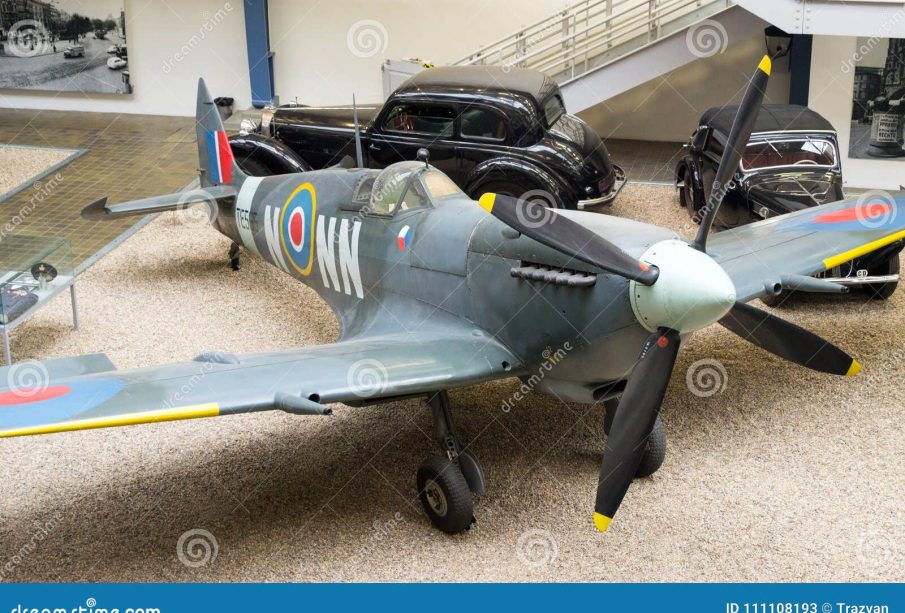
Designed by Reginald J. Mitchell of Supermarine, the first Spitfire prototype flew in 1936. Noted for its distinctive elliptical wing and nimble handling, the type was powered initially by the Rolls-Royce Merlin engine; later marks incorporated more powerful engines such as the Griffon. The Spitfire served across multiple theatres of the Second World War and was developed through numerous variants to meet evolving combat needs.
Legacy and surviving aircraft
Thousands of Spitfires were built during the war years, and many variants contributed to air superiority and reconnaissance missions. Today several Spitfires survive in museums, memorials and private collections; a number are maintained in airworthy condition and appear at airshows. These preserved aircraft are used to educate new generations about aviation history and the wartime experience.
Conservation and public engagement
Conservation of vintage aircraft like the Spitfire involves specialised skills in airframe restoration, engine maintenance and historical research. Historic flight organisations, museums and volunteer groups collaborate to keep examples flying or on display. Public events and commemorations continue to draw attention to restoration projects, ensuring that technical knowledge and historical context are passed on.
Conclusion: Significance and Outlook
The spitfire remains a potent emblem of 20th-century aviation and a focal point for heritage activity. Continued restoration work and public exhibitions help preserve both the physical aircraft and the stories they represent. For readers, the Spitfire’s legacy is a reminder of technological innovation under pressure and the value of preserving historical artefacts for education and remembrance. Ongoing interest suggests the Spitfire will remain a prominent subject of study, display and public commemoration for years to come.





