Understanding the Republican Party: History, Beliefs and Significance
Introduction
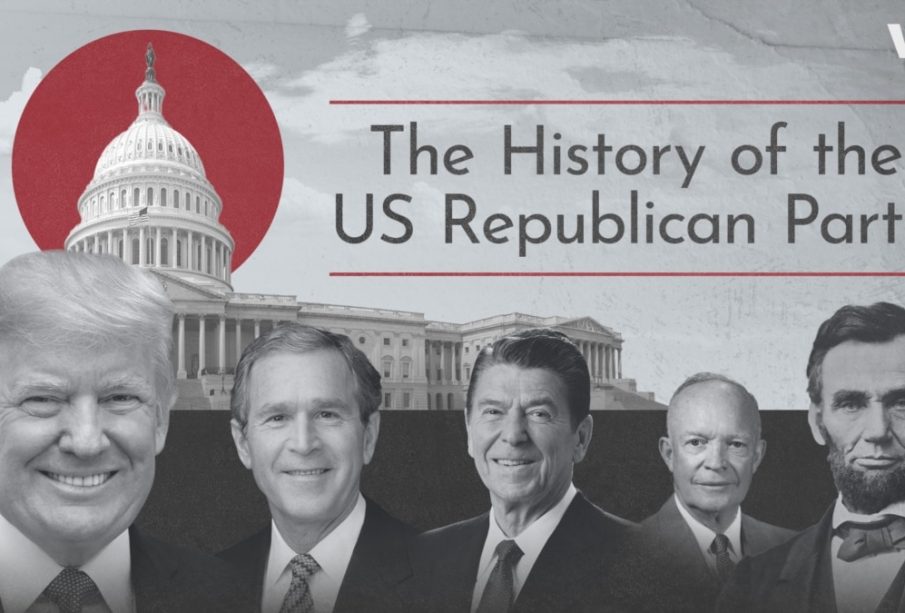
The Republican Party is one of the two major political parties in the United States and plays a central role in national and state-level politics. Understanding the party’s origins, core beliefs and internal dynamics is important for voters, observers and international audiences who follow US policy and elections. The party’s positions on government size, economic policy and social issues continue to shape debates that affect domestic and global affairs.
Main body: origins, structure and positions
Origins and role
The Republican Party was founded in the mid-19th century, emerging in 1854 in response to debates over the expansion of slavery. Since then it has been a principal force in American political life. Alongside its main rival, it competes in presidential, congressional and state contests and influences the composition of the judiciary through appointments and confirmations.
Core beliefs and policy priorities
Broadly characterised as a conservative party, the Republican Party traditionally emphasises limited federal government, free-market economics, lower taxation, deregulation and a strong national defence. On social issues, many in the party favour preserving traditional institutions and values. However, these broad labels encompass a range of perspectives on specific policies such as trade, immigration and health care.
Organisation and internal diversity
The party operates through a national committee, state and local organisations, and affiliated groups. Within the Republican Party there are distinct currents — including fiscal conservatives, social conservatives, libertarian-leaning members and populist factions — each shaping party debates and electoral strategies. These internal dynamics influence candidate selection, policy platforms and messaging to different voter groups.
Conclusion
For readers, the Republican Party’s positions and internal shifts matter because they affect legislation, judicial appointments and the broader political climate. Looking ahead, the party faces strategic choices about coalition building and policy emphasis as demographics and public priorities evolve. Observers should watch how internal debates translate into electoral strategy and governance, as outcomes will have implications for both domestic policy and international relations.





