Northrop Grumman MQ-4C Triton: Maritime Surveillance at Altitude
Introduction — Why the northrop grumman mq-4c triton matters
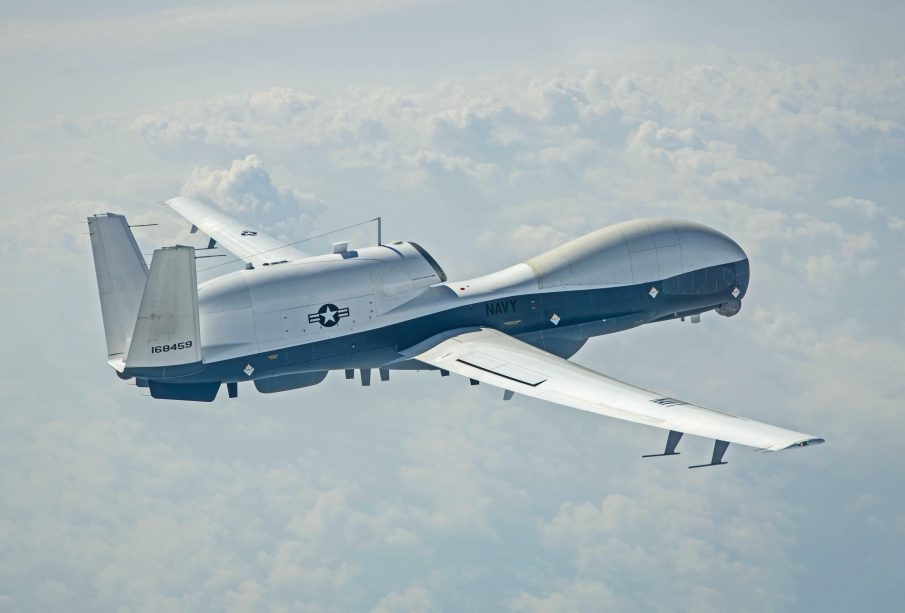
The northrop grumman mq-4c triton is a high-altitude, long-endurance unmanned aircraft system (UAS) designed to provide extended maritime domain awareness. Its capability to patrol vast ocean areas for many hours makes it a critical asset for navies and coast guards facing growing demands for persistent surveillance, maritime security, and search-and-rescue coordination. As nations seek better situational awareness over exclusive economic zones and contested sea lanes, the Triton’s role in intelligence, surveillance and reconnaissance (ISR) has become increasingly relevant.
Main body — Design, capabilities and operational use
Design and sensors
Built by Northrop Grumman for the US Navy under the Broad Area Maritime Surveillance (BAMS) programme, the MQ-4C Triton is a high-altitude, long-endurance (HALE) platform derived from the Global Hawk family. It carries a maritime-optimised sensor suite centred on the AN/ZPY-3 Multi-Function Active Sensor (MFAS) radar, an active electronically scanned array (AESA) designed to detect and track surface vessels over wide areas. The Triton also integrates electro-optical/infrared systems and communication links to relay real-time data to operators and other platforms.
Operational role and integration
The Triton complements manned maritime patrol aircraft, notably working alongside the P-8 Poseidon, by providing broad-area persistent surveillance while manned aircraft focus on classification and prosecution tasks. Its endurance allows long-duration missions over oceanic regions, supporting fisheries monitoring, counter-smuggling, search-and-rescue and maritime domain awareness. The US Navy is the primary operator, and the platform has attracted international interest, with export customers acquiring Triton systems to bolster regional surveillance.
Conclusion — Significance and outlook
The northrop grumman mq-4c triton represents a shift towards persistent, high-altitude maritime ISR that can cover areas impractical for manned aircraft alone. For readers, the Triton’s significance lies in its contribution to safer seas, improved maritime law enforcement and enhanced naval intelligence. Looking ahead, incremental upgrades to sensors, datalinks and autonomy are likely to extend its utility, while integration with allied forces will shape regional surveillance architectures and responses to emerging maritime challenges.