Understanding Dynamic Pricing: How Prices Shift in Real Time
Introduction: Why dynamic pricing matters
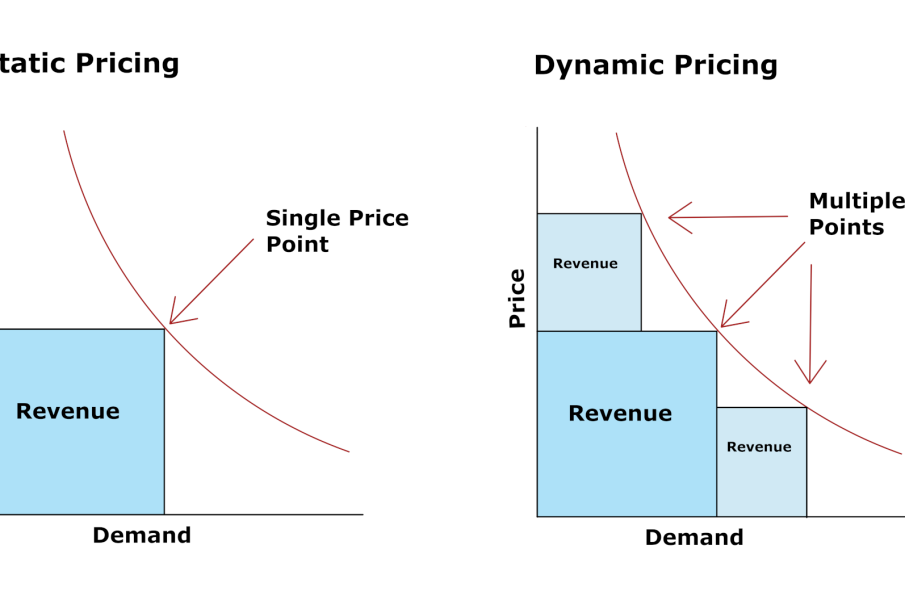
Dynamic pricing is the practice of adjusting the price of goods or services in real time in response to demand, inventory, competition or customer characteristics. It is important because it shapes costs for consumers, revenue for businesses and raises questions about fairness, transparency and regulation. From airlines and hotels to ride‑hailing apps and online retailers, dynamic pricing has become a central tool for modern commerce.
Main body: How it works and where it is used
Mechanics and technologies
At its core, dynamic pricing combines data on demand patterns, competitor prices, customer behaviour and inventory with algorithms that set or recommend prices. Techniques range from simple time‑of‑day adjustments to complex machine learning models that predict willingness to pay. The growth of cloud computing and real‑time analytics has accelerated adoption across sectors.
Common applications
Legacy examples include airline yield management and hotel room rates, where prices have long varied by booking time and seat availability. In recent years e‑commerce platforms, ticketing sites and food delivery services have adopted dynamic strategies. Ride‑hailing services use surge pricing to match supply and demand. Retailers may change prices several times a day to respond to competitors or to clear stock.
Benefits and risks
Dynamic pricing helps firms optimise revenue, manage inventory and respond quickly to market shifts. For consumers it can offer targeted discounts and faster availability information. However, risks include perceived unfairness, price discrimination based on personal data, and opportunistic spikes that can look like price gouging. Data protection laws, competition policy and consumer rights frameworks are increasingly relevant where pricing relies on profiling or opaque algorithms.
Conclusion: Outlook and significance for readers
Dynamic pricing is likely to expand as data and AI tools become more capable, making real‑time adjustments more precise and personalised. For consumers, the practical takeaway is to compare prices, use alerts and be aware that offers can change rapidly. For businesses, transparent communication and compliance with data and consumer protection rules will be critical to sustain trust. Policymakers are expected to balance innovation with safeguards that prevent discrimination and ensure clear information about how prices are set.





