Managing Flight Cancellation and Delay: Rights and Practical Advice
Introduction
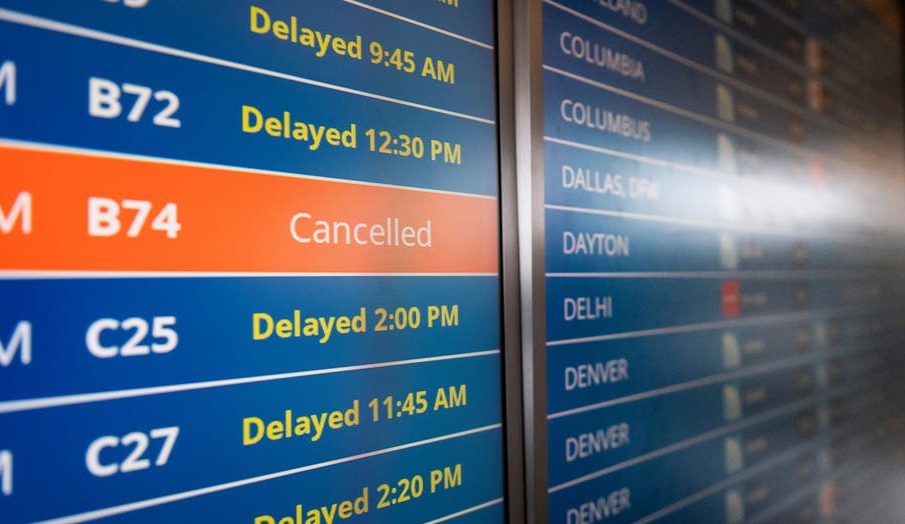
Flight cancellation and delay are recurring issues for travellers, affecting business trips, holidays and supply chains. Disruptions can cause missed connections, extra costs and stress, making clear information about causes, rights and immediate steps essential for passengers. This article explains why cancellations and delays matter and what passengers can reasonably expect.
Causes and Immediate Impacts
Delays and cancellations can result from a range of factors including adverse weather, air traffic control restrictions, technical problems, crew shortages and airport operational issues. When a flight is delayed or cancelled the immediate impacts include disrupted schedules, additional accommodation or transport needs, and potential missed commitments. Airlines and airports vary in how they communicate and respond, so timely information is crucial.
Passenger Rights and Airline Responsibilities
Passengers have specific rights when flights are disrupted. In the UK and EU there are established rules requiring airlines to provide assistance such as rebooking, meals, accommodation when necessary, and refunds where appropriate. These frameworks also set out conditions for compensation in specified circumstances. Passengers should consult official guidance from regulators such as the Civil Aviation Authority (CAA) or the relevant national authority to understand their entitlements for a particular journey.
Practical Steps for Passengers
Passengers facing a flight cancellation and delay should take practical actions immediately: keep documentation (boarding passes, receipts and messages from the airline); contact the airline for rebooking or refund options; check travel insurance policies for cover; and keep records of additional expenses. Use official airline channels and, where available, airport information desks. For longer interruptions, inquire about accommodation and onward transport promises in writing.
Conclusion
Flight cancellation and delay remain common challenges in modern travel. Understanding rights, acting promptly and keeping clear records can reduce inconvenience and improve outcomes. Travellers should stay informed about airline and regulatory guidance, consider travel insurance and allow extra time around critical itineraries. In a dynamic travel environment, preparedness and knowledge of one’s entitlements are the most effective tools for managing disruption.





