Understanding the Oil Refinery Sector: Importance and Current Trends
Introduction: Why an Oil Refinery Matters
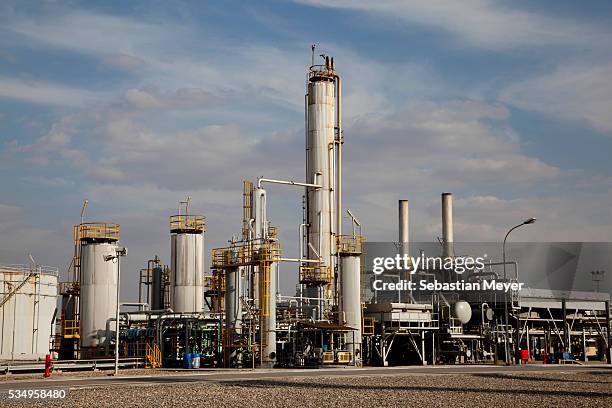
An oil refinery is a central component of modern energy and manufacturing systems. It converts crude oil into fuels, feedstocks for petrochemicals and other products used across transport, industry and consumer goods. The functioning and decisions of refineries have direct implications for energy security, costs, employment and environmental outcomes, making the topic relevant to policymakers, businesses and the public.
Main body: Key roles, pressures and developments
Role in energy supply
Refineries produce a range of finished products including petrol, diesel, jet fuel and heating oil, as well as raw materials for plastics and chemicals. Their output patterns influence fuel availability and prices, especially during seasonal demand swings or when supply chains are disrupted. The location and capacity of refining infrastructure also affect regional trade flows and logistics.
Operational and market pressures
The sector faces a combination of commercial and technical challenges. Refineries operate with complex process units and require periodic maintenance and regulatory compliance. Market dynamics—such as fluctuating crude prices, changing demand for transport fuels, and competition from alternative energy sources—shape investment decisions on upgrades, closures or capacity adjustments.
Environmental and regulatory context
Refineries are subject to emissions limits, fuel quality standards and permitting regimes. There is growing emphasis on reducing greenhouse gas emissions and local pollutants, improving energy efficiency and adopting cleaner process technologies. These pressures are prompting refiners to explore measures such as hydrogen co-processing, electrification of process heat and, in some cases, integration with carbon capture and storage systems.
Economic and community impacts
Refinery operations support direct employment and a wide supply chain, from logistics to maintenance services. Decisions on upgrading, mothballing or decommissioning plants have local economic consequences, influencing jobs, tax revenues and industrial clusters tied to petrochemical supply.
Conclusion: Outlook and significance for readers
The future role of oil refineries will be shaped by the balance between continued demand for liquid fuels and growing decarbonisation efforts. For consumers and businesses, refinery performance affects fuel availability and prices. For communities and policymakers, it raises questions about industrial transition, workforce retraining and environmental protection. Monitoring refinery developments can therefore provide early indicators of shifts in energy markets and local economies.





