Where is Lebanon? Location, Borders and Key Facts
Introduction
Understanding where Lebanon is located is important for readers interested in Middle East geography, regional politics, trade routes and migration patterns. Lebanon’s position on the eastern shore of the Mediterranean gives it strategic, cultural and economic significance that affects neighbours, diasporas and international relations.
Main body
Geography and basic facts
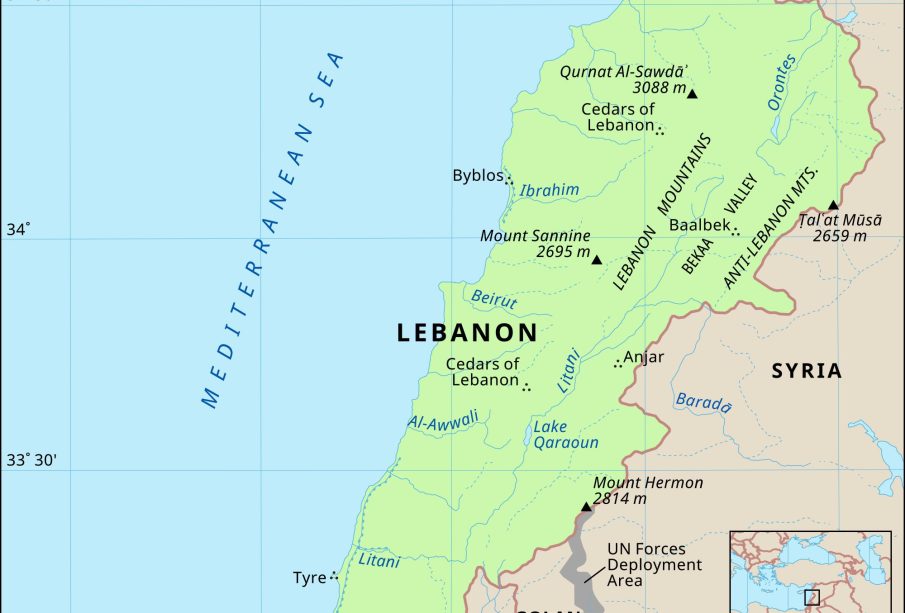
Lebanon is a small country in Western Asia, situated on the eastern Mediterranean coast. It shares land borders with Syria to the north and east and Israel to the south. The country covers an area of about 10,452 square kilometres, making it one of the smaller sovereign states in the region. Lebanon’s coastline stretches along the Mediterranean Sea, with the capital, Beirut, located near the central-western part of the country.
Topography and environment
The landscape of Lebanon is shaped by a series of mountain ranges and valleys. The Lebanon Mountains run parallel to the coast, while the Anti-Lebanon range forms part of the eastern boundary. The Bekaa Valley, between the ranges, is an important agricultural and economic corridor. The highest point in Lebanon is Qurnat as Sawda’, reaching approximately 3,088 metres above sea level. The varied topography supports diverse climates and ecosystems from coastal Mediterranean to alpine conditions at higher elevations.
Population, language and administration
Lebanon’s population is commonly estimated in the millions; official figures vary due to diaspora and refugee populations in the country. Arabic is the official language, and French and English are widely used in business, education and media. Beirut is the political, cultural and economic centre, hosting major government institutions and commercial activities. Lebanon is divided administratively into governorates and districts.
Regional role and relevance
Lebanon’s location places it at a crossroads between Europe, the Levant and the Arab world. Historically a centre of trade and cultural exchange, its coastal position continues to influence shipping, tourism and regional diplomacy.
Conclusion
In summary, Lebanon lies on the eastern Mediterranean coast of Western Asia, bordered by Syria and Israel, with Beirut as its capital. Its compact territory combines coastal plains, mountain ranges and valleys, giving the country strategic and cultural importance. For readers, Lebanon’s location helps explain its historical role, contemporary regional interactions and the ongoing interest of neighbouring states and international actors.





