London Marathon: Major Race, Community and Charity
Introduction: Why the London Marathon Matters
The London Marathon is one of the world’s most recognised long-distance running events and an important fixture in the international athletics calendar. Held annually, usually in April, the London Marathon attracts elite competitors, wheelchair athletes and tens of thousands of recreational runners. Its significance stretches beyond sport: the event is a major platform for charity fundraising, mass participation and community engagement across the capital.
Main body: Key facts, structure and public impact
Race format and route
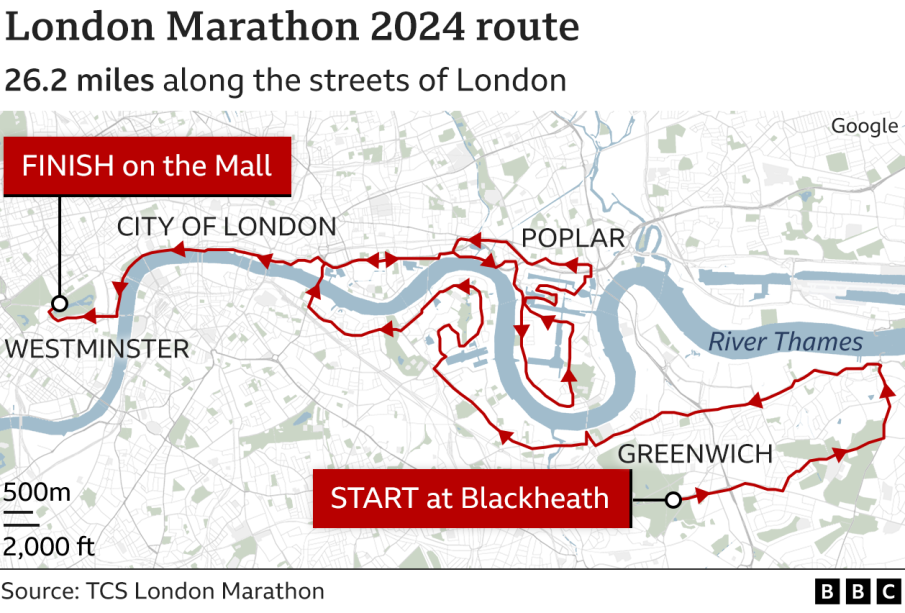
The London Marathon follows the official marathon distance of 42.195 kilometres (26.2 miles). Traditionally the route starts in the historic Blackheath and travels through southeast and central London, crossing landmarks such as Tower Bridge, passing Canary Wharf and the Cutty Sark, before finishing on The Mall beside Buckingham Palace. The course hosts elite men’s and women’s races, a high-profile wheelchair race and a mass field of amateur runners.
International status and competition
The London Marathon is part of the World Marathon Majors, a series that also includes Boston, Berlin, Chicago, New York and Tokyo. This status helps secure strong international fields and intense media attention each year. Elite athletes target fast times and course records, while the mass race provides a coveted opportunity for amateur runners to compete on a world-class course.
Charity and community
Charity fundraising is a defining feature of the London Marathon. Participants frequently run on behalf of causes, raising millions of pounds collectively each year. The event also supports local communities through road closures, volunteer opportunities and public engagement, making it both a sporting and civic occasion.
Organisation, safety and sustainability
Organisers place emphasis on participant safety, medical provision and logistical planning given the scale of the event. In recent years there has been increasing focus on sustainability measures, including waste reduction and transport planning, to reduce the marathon’s environmental footprint.
Conclusion: Outlook and relevance for readers
The London Marathon remains a high-profile celebration of endurance sport, community spirit and charitable giving. For runners and spectators alike it offers a compelling mix of elite athletics and grassroots participation. Looking ahead, the race is likely to continue evolving with renewed attention to inclusivity, safety and sustainability, ensuring it remains a key date for athletes, charities and Londoners.





