Witch Hat Atelier: creator, plot and recognition
Introduction
Witch Hat Atelier (Japanese: とんがり帽子のアトリエ, Hepburn: Bōshi no Atorie) has become a notable title in contemporary manga, attracting attention for its art, story and wider cultural impact. The series’ exploration of magic, secrecy and apprenticeship resonates with readers and has led to adaptations, awards and international endorsements. Understanding its publication history, plot and reception helps readers appreciate why the work matters in both manga and animation circles.
Main body
Publication and creator
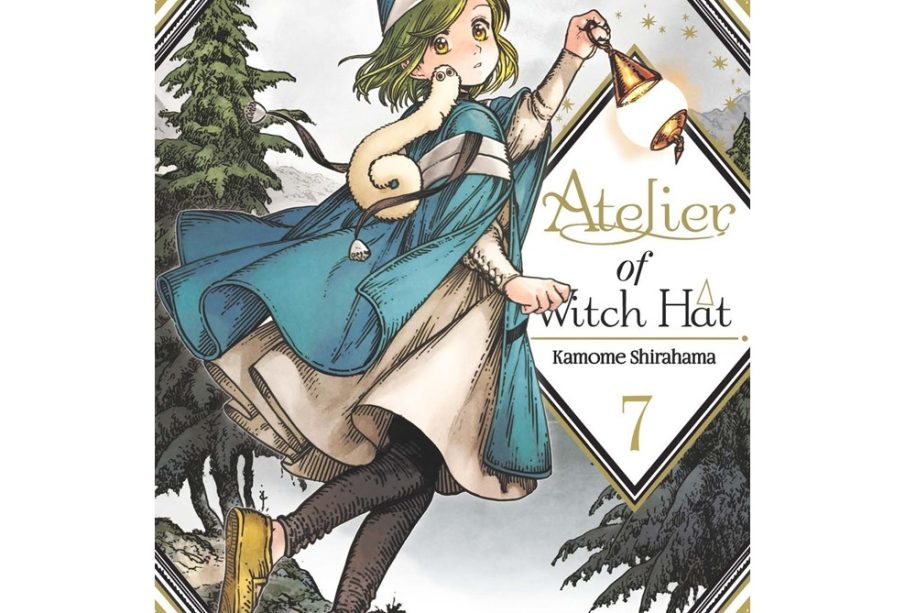
Witch Hat Atelier is written and illustrated by Kamome Shirahama. It began serialization in Kodansha’s magazine Two on 22 July 2016. The series has grown beyond its original run to inspire related works, including a spin-off manga by Hiromi Satō titled Hat Atelier Kitchen, which began on 22 November 2019.
Plot and themes
The story centres on Coco, a young girl who observes a visiting witch named Qifery using magic. In the world of Witch Hat Atelier, witches are depicted as the only people who can cast magic, a secret kept from the wider world. Coco’s discovery of this “absolute secret” leads her to become Qifery’s apprentice and to enter the secretive world of witches. Themes of empathy, self-discovery and the responsibilities that accompany knowledge run throughout the narrative.
Reception, adaptations and community
The series has attracted international praise and attention. American animator Dana Terrace publicly endorsed the manga on Twitter after receiving fan art from Shirahama related to her animated series The Owl House, calling Witch Hat Atelier a “magical, queer, heart-racing story of empathy and self discovery.” The manga has been recognised at the Harvey Awards, winning Best Manga on multiple occasions, and news has circulated about an anime adaptation and a novel release scheduled for 21 November. A dedicated fan-run Witch Hat Atelier wiki also documents characters, settings and community contributions.
Conclusion
Witch Hat Atelier’s combination of detailed illustration, a compelling coming-of-age narrative and growing critical recognition has cemented its place among contemporary manga. With spin-offs, adaptations and award recognition, the series looks set to remain influential for readers and creators interested in magical storytelling and character-driven fantasy. For new readers, the series offers both visual richness and themes that continue to resonate internationally.





