Ron Howard: From Child Actor to Award‑winning Filmmaker
Introduction: Why Ron Howard Matters
Ronald William Howard (born 1 March 1954) is an American filmmaker and actor whose career spans acting, directing and producing. His transition from a child actor to an Academy Award‑winning director has made him a prominent figure in contemporary cinema. According to Imagine Entertainment, he is regarded as one of this generation’s most popular directors, and his body of work is relevant to audiences interested in dramatic filmmaking, adaptations and documentary storytelling.
Main body: Career and Notable Works
Early career and transition
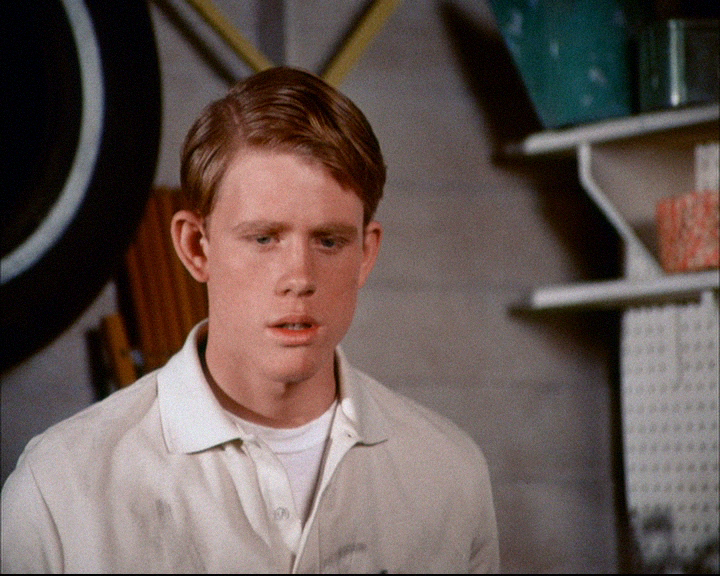
Howard began his career as a child actor before moving behind the camera. That early experience in front of audiences informed his later work as a director and producer, helping him bridge performance and storytelling in films and television.
Feature films and genres
His filmography covers a wide range of genres. He directed critically acclaimed dramas such as A Beautiful Mind and Apollo 13, and Frost/Nixon. Other feature films listed in public sources include The Da Vinci Code (2006) and Angels & Demons (2009), both adaptations of Dan Brown novels starring Tom Hanks; the holiday favourite Dr. Seuss’ How the Grinch Stole Christmas (2000) starring Jim Carrey; the period adventure In the Heart of the Sea (2015); the fantasy Willow (1988); the early comedy Night Shift (1982); and the western The Missing (2003) starring Cate Blanchett and Tommy Lee Jones.
Documentaries and television production
Howard has also directed documentary projects such as The Beatles: Eight Days a Week – The Touring Years and Pavarotti. Beyond directing, he has served as an executive producer on television and film projects, including the HBO miniseries From the Earth to the Moon (1998), Fox’s Emmy Award‑winning comedy Arrested Development (2003) — which he also narrated — and the NBC series Parenthood. His production work extends his influence across media and formats.
Conclusion: Significance and Outlook
Ron Howard’s career demonstrates a sustained ability to work across formats and genres, from prestige dramas and large‑scale adaptations to documentaries and television production. As an Academy Award winner with a diverse filmography, his work continues to be referenced by viewers and creators alike. For readers, Howard’s career offers a case study in how a performer can evolve into a multifaceted filmmaker whose projects shape both popular and critical conversations about storytelling on screen.





