How the Container Ship Transformed Global Trade
Introduction: Why container ships matter
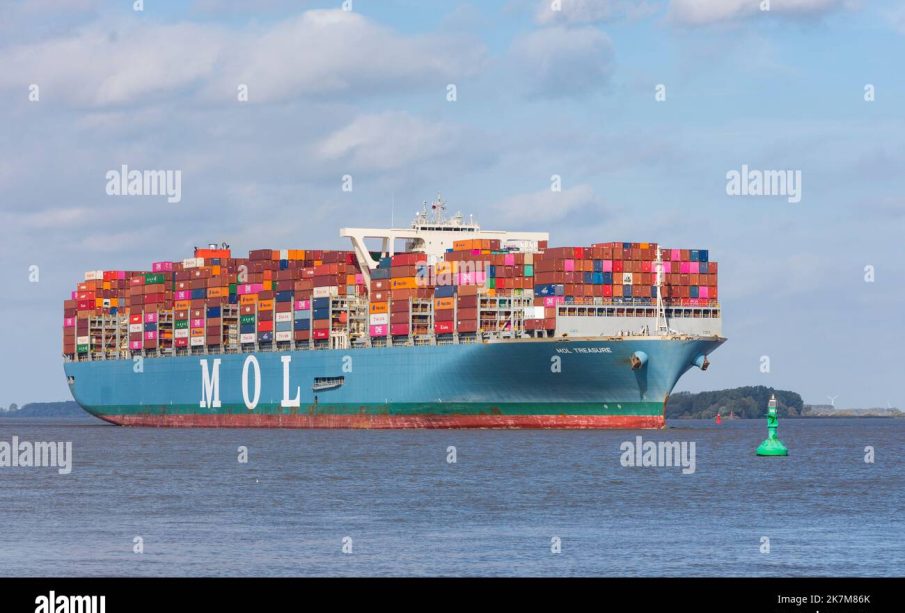
Container ships — also called boxships or containerships — are specialised cargo vessels that carry most of the world’s manufactured goods. By transporting freight in standardised, truck-size intermodal containers, these ships underpin modern supply chains and scheduled liner services. Their design and operational patterns have been central to the globalisation of production over the past two decades, making container shipping a subject of direct relevance to businesses, consumers and policymakers.
Design and standards
At their core, container ships are ocean-going vessels designed to transport large, standard-sized containers of freight. The concept of rail-and-road containers dates back to the early 20th century, but modern container shipping relies on two predominant standard sizes: 20-foot and 40-foot units. These are commonly quantified as twenty-foot equivalent units (TEUs) and forty-foot equivalent units (FEUs).
Containers are carried in cellular holds below deck and are also stacked on hatch covers and the upper deck, allowing ships to maximise use of available volume and stack containers securely for long voyages. Container shipping generally operates according to regular schedules on set routes — known as liner services — which enable predictable movement of goods between major ports.
Growth and impact
Container ships have grown substantially in capacity over recent decades. Around 2002, a large container ship would typically carry roughly 6,500 TEU. Today, the largest containerships can transport nearly 24,000 TEU, reflecting a marked increase in individual vessel efficiency and scale.
This growth in ship size and the widespread adoption of container standards have played a key role in enabling manufacturers in lower-cost countries to export goods to higher-cost markets. Regular liner services and standardised containers reduce handling time and cost, supporting global trade in consumer goods and intermediate products.
Conclusion: Significance and outlook
Container ships remain a cornerstone of international trade. Their standardised containers, scheduled services and increasing capacities have reshaped production and distribution worldwide. For readers interested in trade, manufacturing or logistics, the continued evolution of container ship design and operations will be central to how goods move across the globe, influencing costs, availability and the structure of global supply chains.





