North Korea: Repression, Construction and Calls for Engagement
Introduction: Why north korea matters
North Korea remains a focal point for human rights, regional security and humanitarian concern. Reports from international organisations and satellite analysts highlight continuing repression, strategic developments in military-related infrastructure and cautious diplomatic signals. Understanding these trends is important for policymakers, humanitarian actors and citizens in neighbouring states.
Main developments and verified findings
Human rights and internal controls
Human Rights Watch and other monitors describe the Democratic People’s Republic of Korea as one of the world’s most repressive states. Authorities continue to restrict access to information and outside contact, and retain a shoot-on-site order at the northern border. Several reports note that measures introduced in the Covid-19 period have been used to justify intensified controls, with escapee testimony documenting Covid-linked repression and severe limits on movement and communication.
International and regional responses
Advocacy and diplomatic efforts continue. Human rights groups and policymakers have called for renewed engagement on rights issues; a joint letter to South Korean President Lee Jae-myung referenced a forthcoming North Korean human rights resolution to be considered at the United Nations, ahead of adoption at the 80th UN General Assembly in 2025. Rights monitors also warn of third-country practices: reports allege that China has not ceased forced returns of North Koreans seeking to leave the DPRK.
Strategic infrastructure and open-source analysis
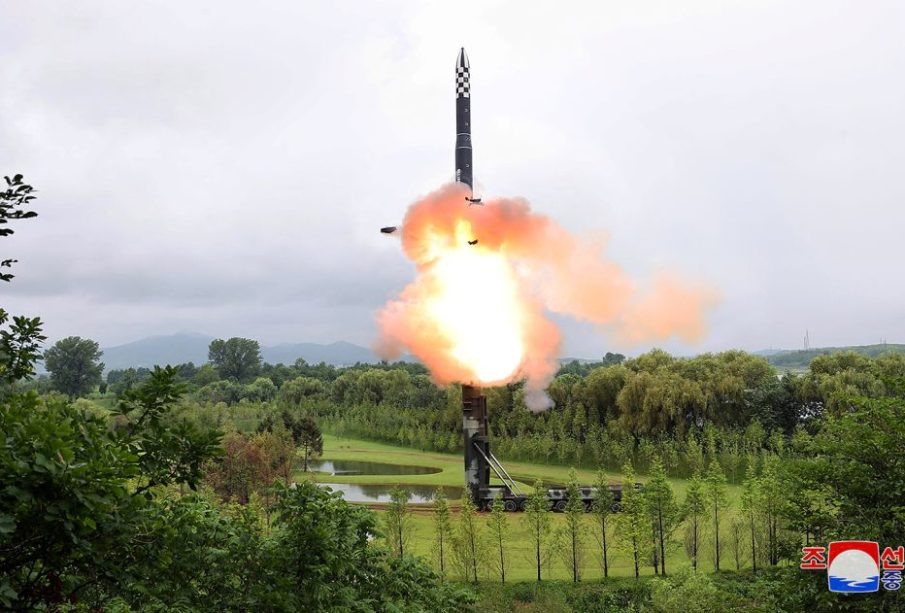
Open-source analysts at 38 North report continued construction activity at facilities of interest, including new fabrication buildings at the Kusong site visible in commercial satellite imagery. Coverage also notes Pyongyang’s cautious posture regarding external conflicts, such as recent tensions involving Iran, and highlights initiatives to explore medical cooperation — a field where limited engagement could offer humanitarian benefit but faces significant political and logistical challenges.
Conclusion: Implications and outlook
Verified reporting paints a picture of persistent repression alongside continued infrastructure development and selective outreach. For readers, this suggests a dual policy challenge: addressing immediate humanitarian and human rights concerns while calibrating engagement options that could reduce isolation without legitimising abuses. Continued monitoring by rights organisations, satellite analysts and multilateral bodies will shape forecasts for the region and inform decisions at the UN and among regional partners.





