Newlywed Annie Ramos Freed from ICE Detention in Louisiana
Introduction
The release of Annie Ramos from immigration detention has drawn national attention because it touches on issues of family separation, military life and immigration enforcement. The case is relevant to broader debates over how and where US Immigration and Customs Enforcement (ICE) detains non‑citizens, and it has resonated with advocates for Dreamers and military families.
Main body
Case details
According to reporting in The New York Times and statements from advocates, Annie Ramos, a 22‑year‑old biochemistry student and TheDream.US Scholar, was detained by ICE after accompanying her husband to an Army base in Louisiana to complete paperwork so she could move in with him. Her husband, Staff Sgt. Matthew Blank, who enlisted more than five years ago and is due to begin training ahead of a deployment, was reportedly with her at the base.
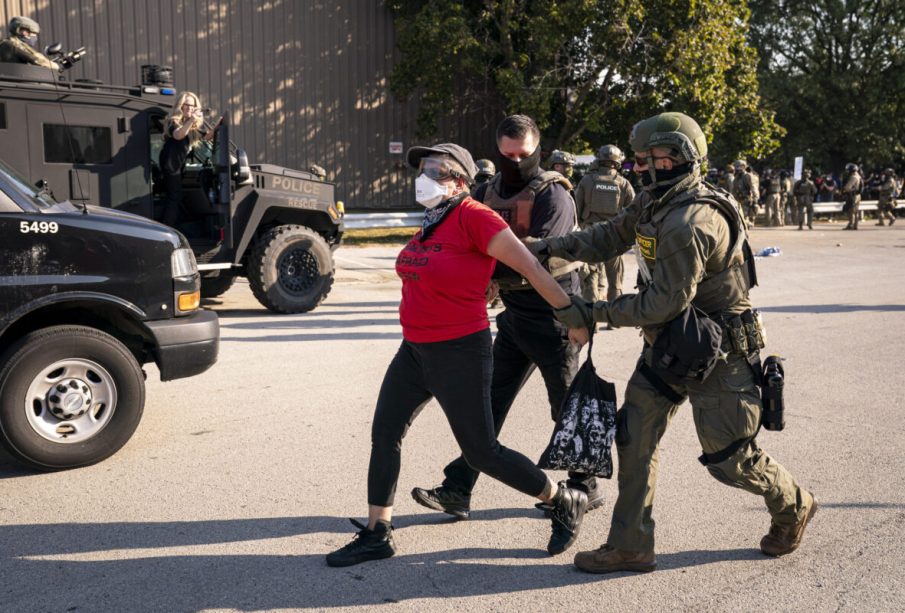
Ramos was held at a detention centre in Basile, Louisiana, for five days before being released on Tuesday. The case became widely publicised after New York Times reporting and photography drew attention to the circumstances of her detention and the impact on a newlywed military family. Local reporting and national coverage highlighted that Ramos was processed with other women facing deportation amid a period of heightened immigration enforcement.
Reactions and context
Immigration advocates reacted swiftly. Gaby Pacheco, a leader in immigrant‑rights circles, welcomed Ramos’s release and underscored the value of Dreamers to American communities. Pacheco said: ‘I am overjoyed that Annie Ramos is now released from detention, able to reunite with her husband and family, and can continue pursuing her degree and building her future in this nation. Yet Annie’s detention never should have happened in the first place.’
The episode has been discussed in the context of an administration‑wide crackdown on immigration, with critics saying such detentions harm families and undermine public values. The rapid spread of reporting on the case amplified calls for clearer protections for Dreamers and consideration of enforcement practices near military installations.
Conclusion
Ramos’s release brings immediate relief for her family and raises longer‑term policy questions. Observers will watch for whether this incident prompts changes to enforcement practices around military bases, renewed debate over protections for Dreamers, or further scrutiny of ICE detention decisions. For readers, the case highlights how immigration enforcement can intersect with military service and college‑age lives, and why many advocates are urging policy reassessment.





