Remembering Catherine O’Hara: Comedian and Actress
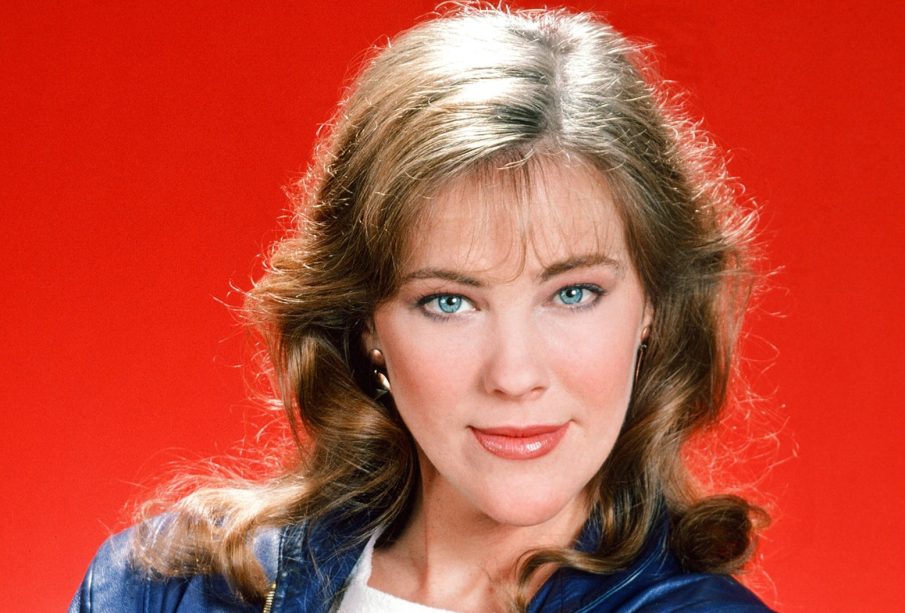
Introduction: Why Catherine O’Hara Matters
Catherine O’Hara (4 March 1954 – 30 January 2026) was a Canadian and American actress and comedian whose career spanned more than 50 years. Her work across sketch comedy, film and television influenced generations of performers and audiences. Understanding her career highlights and its cultural relevance helps readers appreciate the development of contemporary comedy and the enduring appeal of character-driven performance.
Main body: Career Milestones and Notable Work
Early career and sketch comedy
O’Hara began her professional life at Second City Toronto, initially working as a waitress before stepping into performance. She replaced Gilda Radner in the cast and went on to become one of the original members of the television sketch show SCTV in 1976. Her work on SCTV established her reputation as a versatile comic performer and writer in the sketch tradition.
Film collaborations and mockumentaries
Across her long career, O’Hara frequently collaborated with director and writer Christopher Guest, appearing in a series of mockumentary films. Her credits include Waiting for Guffman (1996), Best in Show (2000), A Mighty Wind (2003) and For Your Consideration (2006). According to available retrospectives, three of these collaborations earned her awards and nominations, underscoring her strength in character comedy and improvisational ensemble work.
Television later in life
Later in her career, O’Hara reached new audiences through television roles, most notably appearing in the Canadian comedy series Schitt’s Creek (2015). Her performance there and across other projects highlighted a sustained ability to connect with viewers over decades.
Conclusion: Legacy and Significance
Catherine O’Hara’s passing in January 2026 marks the end of a prolific career that bridged sketch comedy, film and television. Her trajectory—from Second City through SCTV to award-recognised film collaborations and contemporary television—illustrates the evolution of modern comedic performance. For readers, her body of work remains a resource for studying character work, ensemble storytelling and the craft of comic acting. Her influence is likely to persist in comedy writing and performance, inspiring both practitioners and audiences to revisit her varied and lasting contributions.





