The Hobbit: Tolkien’s Enduring Prelude to The Lord of the Rings
Introduction: Why the hobbit still matters
The Hobbit, or There and Back Again, is a children’s fantasy novel by the English author J. R. R. Tolkien, first published in 1937 to wide critical acclaim. Set in the imaginary world of Middle-earth, the book is described as at once a classic myth and a modern fairy tale. Its importance lies in its role as a standalone tale and as a prelude to The Lord of the Rings, making it relevant to readers interested in the origins of one of modern fantasy’s most influential sagas.
Main body: Story, setting and adaptations
Plot and setting
Set in Middle-earth, The Hobbit follows the adventures that establish key locations and themes later expanded in The Lord of the Rings. The novel’s tone mixes mythic elements with a narrative suited to younger readers, which has contributed to its description as one of literature’s most enduring and well-loved high fantasies.
Film adaptations
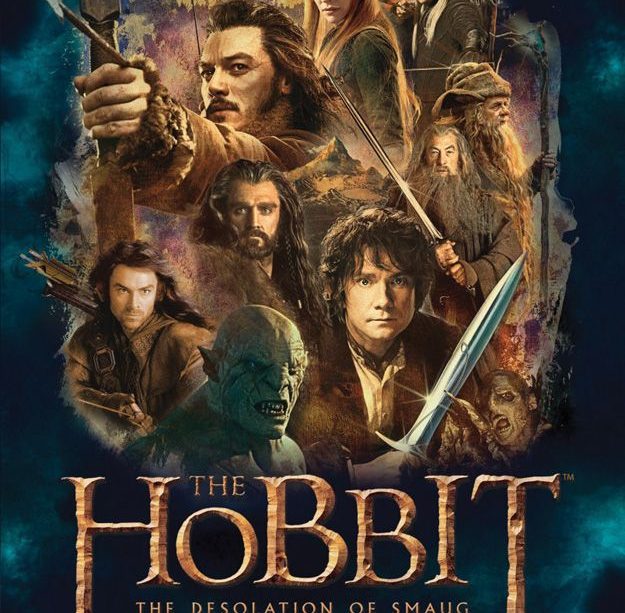
The Hobbit has also been adapted into a film series that takes place in Middle-earth roughly sixty years before the beginning of The Lord of the Rings film series. The films centre on the hobbit Bilbo Baggins, portrayed by Martin Freeman, who is persuaded by the wizard Gandalf the Grey, played by Ian McKellen, to accompany thirteen Dwarves. The company is led by Thorin Oakenshield, portrayed by Richard Armitage, on a quest to reclaim the Lonely Mountain from the dragon Smaug, voiced by Benedict Cumberbatch. These screen adaptations brought the story to a broad contemporary audience and linked it more visibly to the larger cinematic telling of Middle-earth.
Conclusion: Significance and outlook
The Hobbit remains significant both as a celebrated children’s fantasy and as a foundational text for Tolkien’s wider Middle-earth legendarium. Its critical acclaim since 1937 and its role as a prelude to The Lord of the Rings underpin continued interest in the book and its adaptations. For readers and viewers, the hobbit offers an accessible entry point to Middle-earth, while its enduring popularity suggests it will remain a touchstone for fantasy literature and adaptation studies for years to come.





