PlayStation 2: a milestone in home gaming
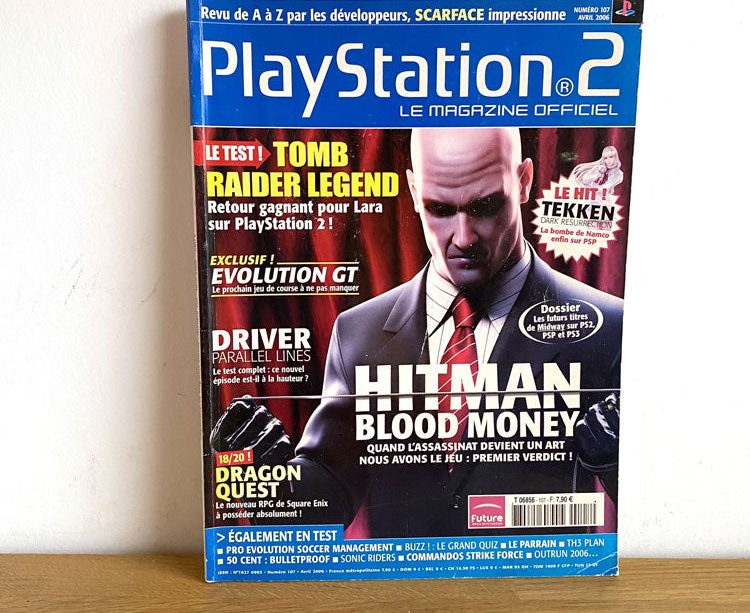
Introduction: Why the PlayStation 2 still matters
The PlayStation 2 (playstation 2) is a home video game console developed and marketed by Sony Computer Entertainment. First released in Japan on 4 March 2000, the console combined gaming, media playback and emerging online features in a single package. Its mix of capabilities made it an influential platform for players, developers and the wider consumer electronics market.
Main body: Key facts and developments
Design and technical highlights
The PlayStation 2 featured a 300 MHz processor that delivered enhanced clarity and improved graphics compared with earlier consoles. In addition to gaming, the system doubled as a CD and DVD player, which broadened its appeal as a multifunction home device.
Backward compatibility
One notable aspect of the PS2 was its support for original PlayStation discs. At the time, out-of-the-box backward compatibility was rare among consoles, and this feature helped users retain access to existing libraries while adopting the new system.
Online functionality and later revisions
Online gaming arrived on the PS2 in 2001 with the Network Adaptor add-on, marking Sony’s early step into multiplayer over the internet. In late 2004 Sony released a thinner, lighter revision of the console that saved space and made online play more accessible by adding an ethernet port on the rear. These developments reflected the growing importance of networked play and media connectivity during the console’s lifespan.
Broader influence
The PS2’s mix of full-scale gaming and media capabilities also informed later Sony products. For example, the PlayStation Portable (PSP) carried forward the idea of bringing console-quality gaming and online technology into a handheld format, reflecting innovations that had become prominent with the PS2.
Conclusion: Significance and outlook for readers
The playstation 2 combined gaming performance, DVD playback and early online functionality in a single home console, while offering backward compatibility that few competitors provided out of the box. For readers interested in gaming history or retro hardware, the PS2’s feature set and iterative revisions demonstrate how multimedia and online connectivity became core expectations for later devices. Its technical and design choices helped shape subsequent developments in both home and handheld gaming.





