Great White Shark: Size, Diet, Habitat and Conservation
Introduction
The great white shark is one of the ocean’s most recognisable predators and an important species for marine ecosystems. Understanding its biology, habitat and the threats it faces is relevant to conservation efforts worldwide. As an apex predator that lives long and reproduces slowly, the great white shark’s status highlights broader concerns about sustainable fishing, habitat protection and the impacts of destructive practices such as shark finning.
Main body
Appearance and size
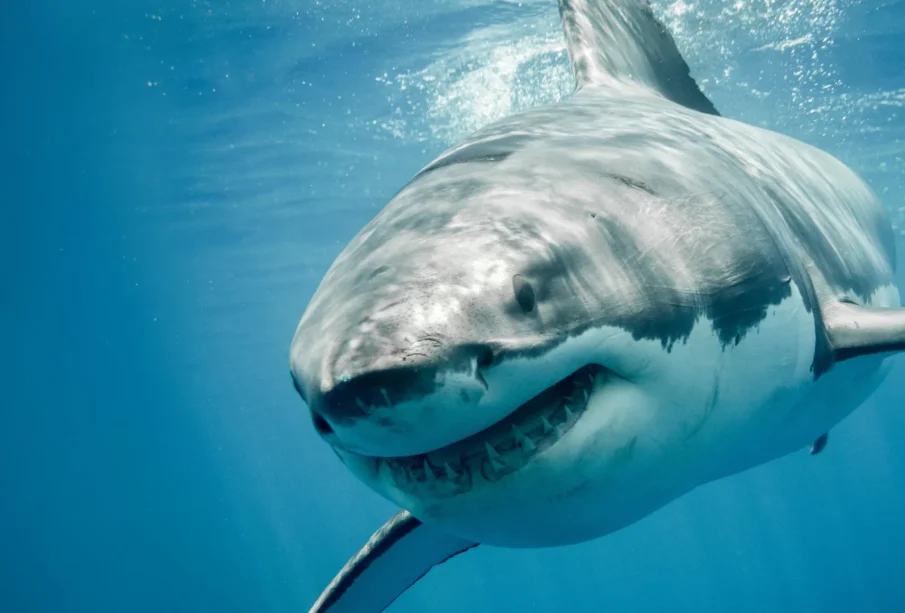
Named for its stark white underbelly, the great white shark is among the largest species of sharks and is described as the world’s largest known predatory fish. Adults are thought to reach up to about 6 metres (20 feet) in length. Its formidable jaw contains roughly 300 teeth arranged in multiple rows; some reports describe seven rows of serrated teeth up to about 2.5 inches long.
Diet and feeding
Great white sharks feed on a varied diet that includes fast, warm-blooded mammals such as seals and sea lions, as well as fish, other sharks and squid. They do not chew their food; instead they rip prey into mouth-sized pieces before swallowing. This feeding behaviour underpins their role as apex predators, helping to regulate populations of marine species and maintain ecosystem balance.
Life cycle and habitat
Habitat preferences change with age. Pups and juveniles are more likely to occupy coastal and estuary habitats, while adults tend to live farther offshore in pelagic, open-ocean environments. Great white mothers give birth to live young roughly once every two or three years, a slow reproductive rate that contributes to the species’ vulnerability.
Threats and conservation
Because they live long and reproduce slowly, great white sharks are particularly vulnerable to human pressures. Threats include the cruel practice of shark finning and indiscriminate fishing gears. Conservation groups are campaigning to protect important nursery grounds — for example, off the coast of Southern California — from bottom trawling and set gillnets and to reduce other human impacts on shark populations.
Conclusion
The great white shark remains an iconic but vulnerable marine species. Continued research, targeted protections for nursery areas, and efforts to eliminate destructive fishing practices are crucial to securing its future. For readers, the species serves as a reminder that marine conservation decisions have long-term consequences for ocean health and biodiversity.





