Understanding Firebombing: Definition, WWII Use and Ethical Issues
Introduction: Why firebombing matters
Firebombing is a form of aerial attack that uses incendiary devices to ignite fires over a target, typically an urban area. Its importance lies in both its military effect and its humanitarian consequences: when deployed at scale, incendiary weapons can create fast‑spreading conflagrations that destroy life, infrastructure and industrial capacity. Modern discussion of firebombing remains relevant for historians, policymakers and the public because of its technical potency and the ethical questions it raises about attacks on populated areas.
Main body: Definition, historical use and impact
What is firebombing?
At its core, a firebomb is a munition designed to start fires and is most effective against flammable targets such as fuel or timber. Firebombing as a technique seeks to multiply that effect across an area so that individual fires merge into large, uncontrollable infernos.
Use in the Second World War
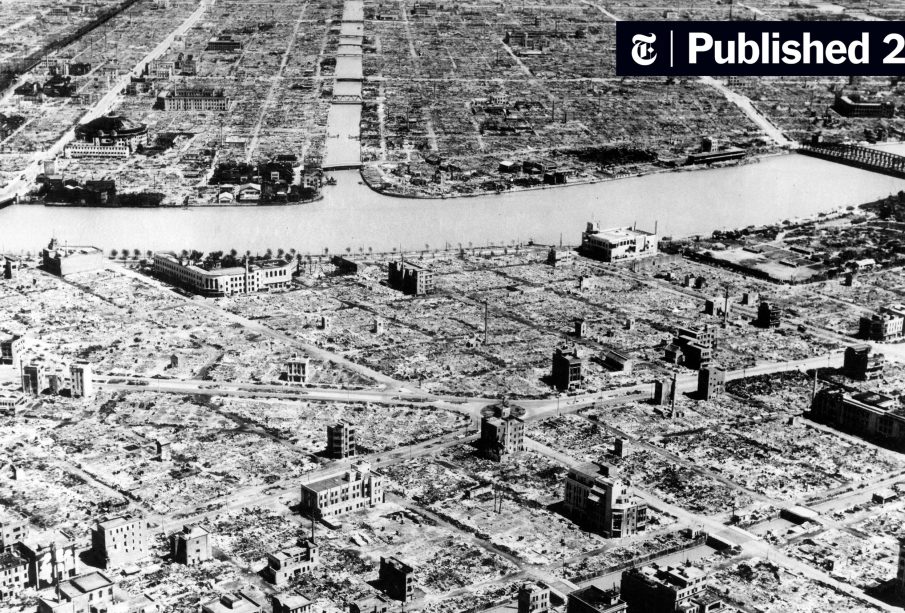
During the Second World War, incendiary munitions were employed in massive raids against cities in Germany and Japan. Historical analyses indicate that these firebombing campaigns were among the deadliest weapons directed at civilian populations; in some cases, the cumulative effects of incendiary raids killed more civilians than contemporary nuclear weapons might have. When dropped in large numbers over concentrated urban districts, incendiaries could generate raging fires that destroyed life and property with rapidity and scale rarely achieved by other technologies of the time.
Targets and considerations
Firebombing was used against a range of targets—civilian housing, industrial facilities, political centres and military installations—because incendiary attacks could simultaneously disrupt production, logistics and morale. The technique’s destructive efficiency, however, brought forward lasting debates about proportionality, distinction and the moral limits of strategic bombing.
Conclusion: Significance and continuing debates
Firebombing remains a significant subject for study because it intersects technical, ethical and political questions about warfare. Its historical use in Germany and Japan demonstrates the destructive potential of incendiary weapons when applied at scale, and it has informed subsequent legal and moral discussions about attacks on populated areas. For readers today, understanding firebombing helps contextualise debates on civilian protection, the evolution of aerial weapons and the responsibilities of belligerents in armed conflict.





