The future of north sea oil: history, technology and industry change
Introduction
North sea oil remains a defining element of energy security, industrial heritage and economic policy for the United Kingdom and neighbouring states. Understanding its history, current operators and technological evolution is important for readers who follow energy markets, regional economic planning and the transition to lower carbon systems. The debate over north sea oil balances continued production with decommissioning, investment and decarbonisation goals.
Main developments and facts
History and major discoveries
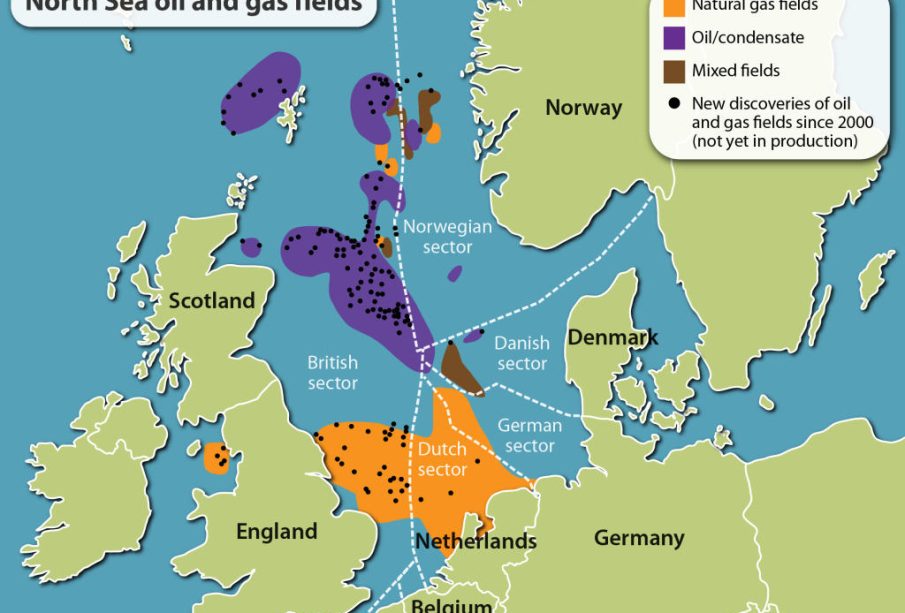
The modern era of north sea oil began in earnest in December 1969. That month Phillips Petroleum discovered oil at Ekofisk in the central North Sea, and Amoco found the Montrose Field east of Aberdeen. Ekofisk was particularly consequential: at the time the platform accounted for roughly 10% of North Sea oil and gas production and was the world’s largest single oil producer. More recent large discoveries include Norway’s Johan Sverdrup field, discovered in 2010, which illustrates that significant finds have continued into the 21st century.
Industry transformation and operators
Technological advances such as directional drilling and subsea systems have transformed how north sea oil is produced, allowing operators to access reserves more efficiently and extend field lives. Major operators and developments continue to shape the basin. One recent industry move is the completion of a business combination between Ithaca Energy and Eni UK. Ithaca positions itself as a forward-thinking North Sea operator, aiming to marry value creation and operational efficiency with commitments to sustainability and the UK’s decarbonisation targets. The company describes the deal as creating a dynamic growth player that supports energy security while providing optionality for investment.
Challenges and infrastructure
Alongside production, the basin’s infrastructure—pipelines, platforms and refineries—remains central to revenue streams and employment. The sector faces the twin pressures of declining production in some areas and the rising costs and complexity of decommissioning ageing installations. Questions about the number of active rigs and field outputs reflect a basin in transition rather than in stasis.
Conclusion
North sea oil will continue to matter for energy security and regional economies, even as operators and policymakers navigate decarbonisation imperatives. Continued technological innovation, strategic industry combinations such as Ithaca Energy and Eni UK, and careful management of decommissioning will shape outcomes. For readers, the significance is clear: north sea oil remains a live issue where economic, environmental and energy-security considerations intersect.





