New tax year 2026: Key changes to deductions, credits and brackets
Introduction: Why the new tax year 2026 matters
The new tax year 2026 brings important changes that could affect millions of taxpayers’ refunds, liabilities and filing decisions. Several legislative adjustments in the 2025 One Big Beautiful Bill Act (OBBB), together with annual IRS inflation updates and revised tax brackets, mean individuals and families should review eligibility for expanded deductions and credits ahead of the 2026 filing season.
Main changes and what to know
One Big Beautiful Bill (OBBB) — retroactive effects
President Donald Trump signed the OBBB into law on 4 July 2025. Several of its provisions were made retroactively effective from 1 January 2025, so taxpayers filing in early 2026 may claim increased benefits for the 2025 tax year. Notably, OBBB raised the standard deduction and expanded the Child Tax Credit (CTC), changes that the Bipartisan Policy Center expects will lead tens of millions of taxpayers to receive larger refunds — in some cases reducing tax bills by hundreds to thousands of pounds or dollars for eligible filers.
New or expanded deductions and refundable credits
Beyond higher standard deductions and the larger CTC, OBBB introduced or modified other provisions that may boost refunds. Examples cited in current reporting include a now-allowed auto loan interest deduction and a newly refundable portion of the adoption credit, both of which could increase refunds for eligible taxpayers during the 2026 filing season.
Brackets, credits and inflation adjustments
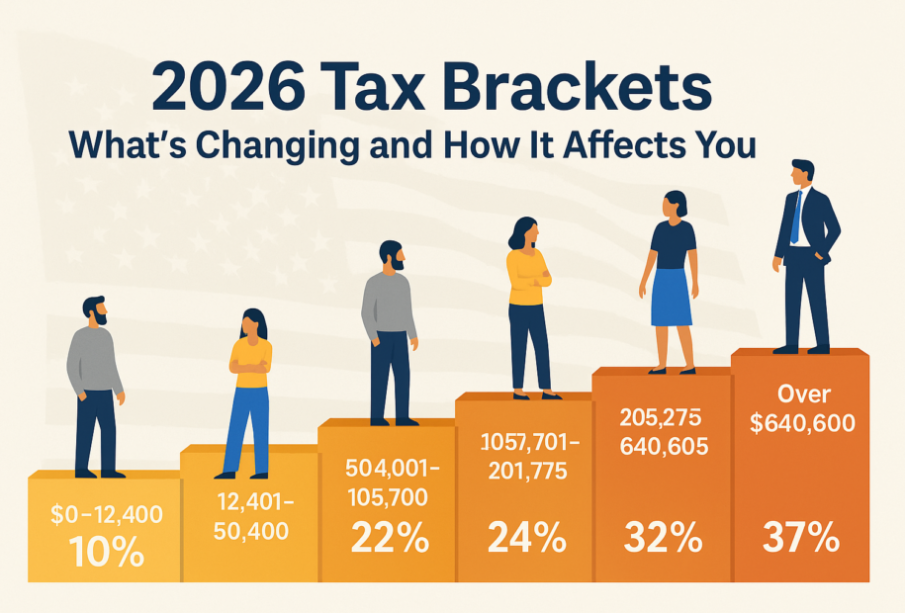
The Tax Foundation has published the 2026 federal income tax brackets and related tables, and the IRS has released its inflation adjustments for tax year 2026. Among specific adjustments, the maximum Earned Income Tax Credit (EITC) for filers with no children is set at $664 for 2026. Taxpayers should consult official IRS guidance or their tax adviser for precise thresholds and bracket ranges that apply to their situation.
IRS capacity and practical implications
While many taxpayers may see larger refunds, the IRS has undergone leadership and staffing changes and faces resource constraints. Those factors could affect the speed of responses, processing times and the issuance of refunds during the 2026 filing season.
Conclusion: What readers should do next
For the new tax year 2026, taxpayers should review whether the retroactive OBBB provisions apply, update withholding if needed, and gather documentation for any new deductions or refundable credits. With inflation adjustments and bracket changes in effect, checking official IRS releases or seeking professional tax advice will help individuals and families maximise benefits and avoid surprises when filing.





