Understanding Shipwrecks: Causes, Impact and Salvage
Introduction
Shipwrecks remain a subject of enduring interest because they combine maritime history, environmental concern and legal complexity. Understanding what constitutes a shipwreck, how wrecks form and what happens to them afterwards is important for historians, marine scientists, salvors and policymakers. This article draws on established definitions and documented issues to explain the relevance of shipwrecks today.
Main body
Definitions and scope
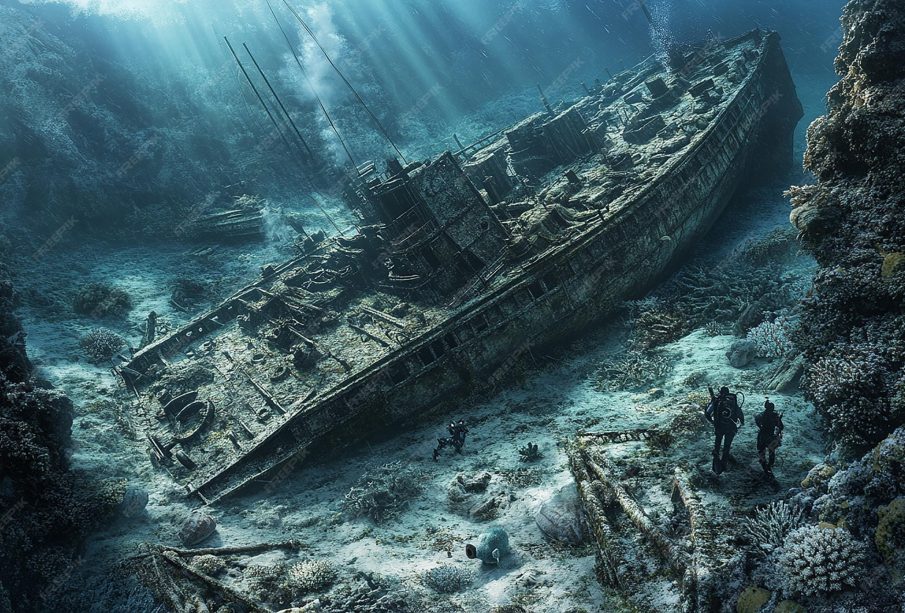
Authoritative dictionaries define “shipwreck” in several related ways. Merriam-Webster lists three senses: a wrecked ship or its parts; the destruction or loss of a ship; and an irretrievable loss or failure. The Cambridge English Dictionary describes a shipwreck as an accident in which a ship is destroyed or sunk at sea, especially by hitting rocks, or a ship that has been destroyed or sunk in such an accident. These definitions together cover both the physical remains and the event of destruction.
Causes, damage and contamination
Shipwrecks result from a range of events, including collisions with rocks, severe weather, structural failure and human error. Once a wreck occurs, multiple factors influence its preservation or deterioration. Biological agents such as marine organisms may cause slight to severe destruction of wooden and other organic materials. In addition, external contaminants — including artefacts in and around wreck sites and contemporary pollution — can alter chemical structures and accelerate decay. Notable examples described in maritime studies include the artefact-rich sites at Pickles Reef and the overlapping remains at the Molasses Reef Wreck, where interaction among wrecks and debris complicates conservation.
Salvage and legal issues
Attempts to salvage shipwrecks are common, particularly for recently wrecked vessels where cargo, equipment or parts of the hull may be recoverable. Salvage raises complex legal questions about ownership and abandonment. In judicial considerations such as Salvors Inc. v Unidentified Wreck (1978/1981), courts have addressed whether centuries‑old wrecks remain the property of original owners. In that case, the Spanish ship Nuestra Señora de Atocha (1620) was treated as abandoned for legal purposes, illustrating how courts may respond to very old wrecks.
Conclusion
Shipwrecks sit at the intersection of maritime heritage, environmental science and law. Definitions clarify what a wreck is; studies of contamination and overlapping sites highlight conservation challenges; and salvage practice prompts legal resolution over ownership and protection. For readers, these issues underscore the need for careful stewardship of wreck sites, informed policy on pollution and salvage, and continued research into the causes and consequences of shipwrecks.





