Trafford Centre: Manchester’s major shopping and leisure destination
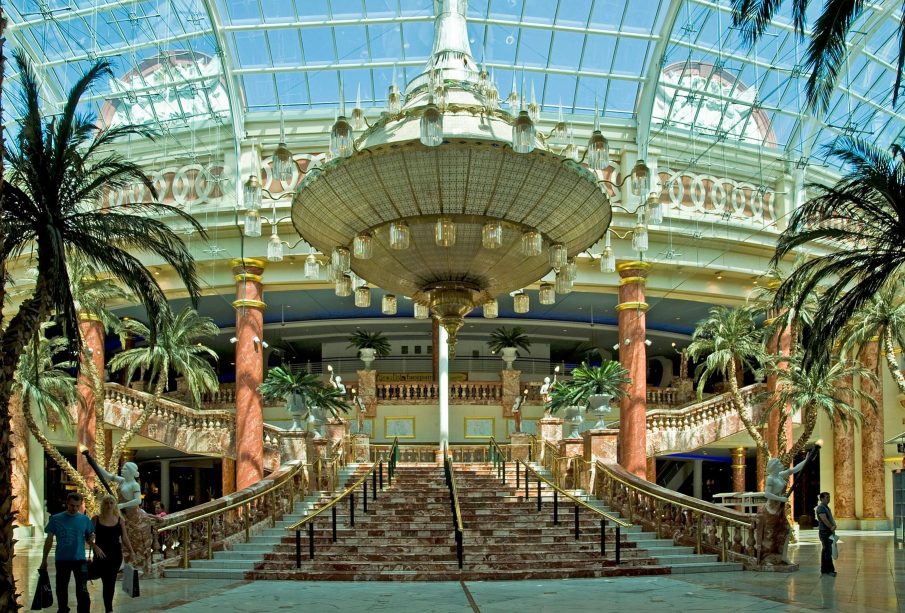
Introduction: Why the Trafford Centre matters
The Trafford Centre is one of the United Kingdom’s largest and most visited shopping and leisure complexes. As a focal point for retail, dining and entertainment in Greater Manchester, it draws millions of visitors each year and provides a substantial local economic and social hub. Understanding its facilities, history and access is relevant for shoppers, commuters and visitors planning a trip to the area.
Main details and history
Development and ownership
The Trafford Centre was originally developed by the Peel Group, which had been developing retail parks across the North West of England since the early 1980s. In 1986, following Whitaker gaining majority control of the Manchester Ship Canal Company, a planning application was submitted to Trafford Council proposing a shopping centre and associated sports facilities on a 300-acre site. The centre later became part of the wider retail estate and was sold in 2011 to Capital Shopping Centres, later rebranded as Intu, for £1.65 billion — a record for the costliest single property sale in British history at the time.
Facilities and expansions
Today the Trafford Centre is home to more than 200 shops and a wide range of leisure attractions. It features a 20-screen cinema, a rock climbing centre and a high ropes course, contributing to a theme-park-like atmosphere within a retail environment. A significant expansion opened on 20 March 2008 when Barton Square, a 19,000 m2 (200,000 sq ft) extension, was completed at a cost of £90 million. As of 2026 the centre is described as world-renowned and remains one of the biggest and most exciting shopping and leisure destinations in the UK.
Access and visitor numbers
Accessibility is a key strength: the Trafford Centre lies close to junctions 9 and 10 on the M60 motorway, offers free parking for 11,500 vehicles and has an on-site bus station served by buses from across Greater Manchester. An estimated 31 million people visit the Trafford Centre annually, which explains its popularity and busy periods, particularly at weekends.
Conclusion: Significance and outlook for visitors
The Trafford Centre remains a major draw for shoppers and leisure-seekers, combining extensive retail choice with entertainment and strong transport links. For visitors, the centre’s high footfall means planning visits outside peak times can improve the experience, while the large parking provision and public transport connections make it readily accessible. Its development history and continued prominence underline its ongoing role in Greater Manchester’s retail landscape.





