Space Shuttle Challenger: The 1986 Launch That Ended in Tragedy
Introduction
The space shuttle challenger remains a pivotal event in the history of human spaceflight. The 1986 accident highlighted the risks of reusable spacecraft, the limits of technical decision‑making under schedule pressure, and the public impact of space exploration. Understanding the sequence of events and the technical concerns raised before the launch is important for readers interested in aerospace safety, engineering ethics and the cultural legacy of the shuttle programme.
Main body
Launch and mission details
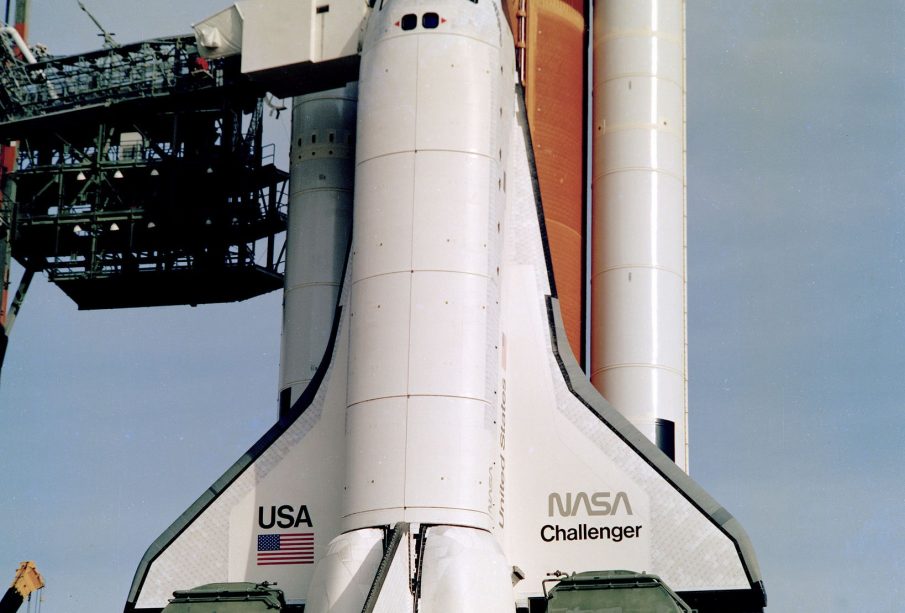
On 28 January 1986, at 11:38 a.m. EST, the space shuttle Challenger lifted off from Cape Canaveral, Florida, on the STS‑51‑L mission. The launch had been repeatedly delayed for six days beginning 23 January because of weather and technical problems. Among those aboard was Christa McAuliffe, selected to be the first ordinary U.S. civilian teacher to travel into space after months of shuttle training. The mission ended in a catastrophic failure shortly after liftoff, a moment that reverberated across the United States and worldwide.
Technical concerns and warnings
The shuttle design incorporated solid rocket boosters attached to a large external fuel tank. Engineers had documented concerns about the booster field joints and the performance of O‑ring seals in cold conditions. Reporting after the accident noted engineers from Morton Thiokol raised objections prior to launch; contemporaneous accounts describe gatherings of Morton Thiokol engineers in the office of Bob Ebeling to discuss the risks. Later recovery of booster hardware from the Atlantic suggested partial leaking of O‑rings, and subsequent inspection indicated the problem was worse than previously observed.
Public response and cultural impact
The disaster generated extensive media coverage and long‑term public reflection. It has been the subject of numerous documentaries and films, including titles such as Challenger (1990), Challenger Disaster (2013) and the miniseries The Final Flight (2020), as well as other documentaries that explore both the technical story and its human consequences.
Conclusion
The space shuttle challenger accident remains a cautionary episode about the intersection of engineering judgement, organisational pressures and public expectation. Coverage and later investigations suggested aspects of the disaster might have been preventable, prompting changes in how technical concerns are assessed and acted upon in high‑risk programmes. For readers, the event underlines the continued importance of transparent technical review, rigorous safety culture and remembrance of those who were part of the shuttle programme.





