Mary Peters: Olympic Gold and a Lifetime in Athletics
Introduction: Why Mary Peters Matters
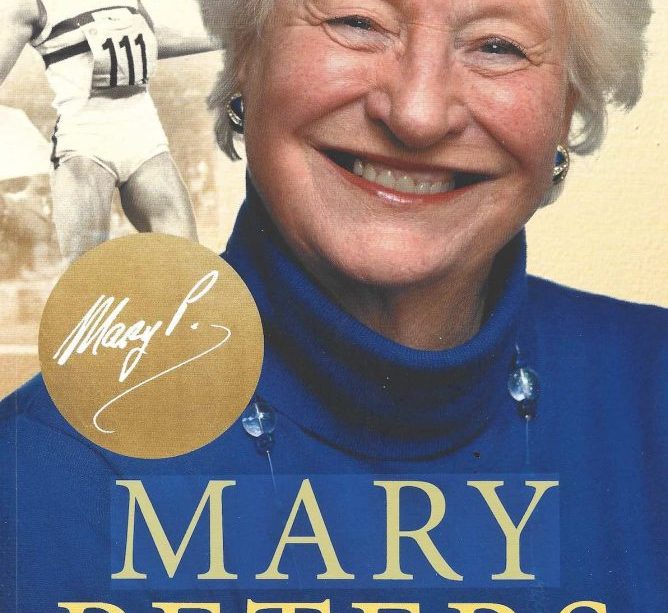
Mary Peters is one of Northern Ireland’s most recognised sporting figures. Her 1972 Olympic victory in the women’s pentathlon remains a touchstone in British and Northern Irish athletics, and her later roles in administration and advocacy have kept her at the centre of sport for decades. Understanding her achievements helps explain both the sporting history of the 1970s and the continuing role of former athletes in promoting sport today.
Main body: Career, achievements and public service
Early life and Olympic success
Mary Elizabeth Peters was born on 6 July 1939. Competing for Great Britain and Northern Ireland at the 1972 Summer Olympics in Munich, Peters won the gold medal in the women’s pentathlon. At 33, described in contemporary accounts as a secretary from Belfast, she delivered what was Britain’s only athletics gold at those Games. In addition to the pentathlon, Peters was known as a competitor in the shot put.
Recognition and honours
Following her Olympic triumph, Peters received national recognition. In 1972 she was named BBC Sports Personality of the Year, reflecting widespread public admiration. In the 1973 New Year Honours she was appointed a Member of the Order of the British Empire (MBE) for services to athletics. Some sources refer to her with later styles of honour and public recognition.
Role in athletics administration and advocacy
Beyond competition, Mary Peters has been active in administration and promotion of sport. She has served as an athletics administrator and is described by Athletics Northern Ireland as a patron and a true ambassador for sport. Her profile has been used to encourage participation and to highlight the value of sporting achievement in Northern Ireland and beyond.
Conclusion: Legacy and significance
Mary Peters’ gold medal in Munich and subsequent public roles make her a lasting figure in UK athletics. Her story is significant for readers interested in Olympic history, Northern Irish sport and the ways successful athletes can contribute to sport after retirement. For future generations, Peters’ combination of elite performance and sustained advocacy offers a model of how athletic success can be translated into long-term public service and inspiration.





