Understanding the petrol shortage: supply, closed pumps and practical advice
Why the petrol shortage matters
Concerns about a petrol shortage attract attention because even short disruptions to fuel supply can have clear local and national consequences. Historical events such as blockades at key oil distribution points in September 2000 and industrial action by Shell tanker drivers in June 2008 show how shortages can disrupt businesses, transport and daily life. Recent reports of closed pumps and rising prices make it important for drivers and businesses to understand current conditions and practical steps to reduce risk.
Main developments and current picture
Supply and pumps
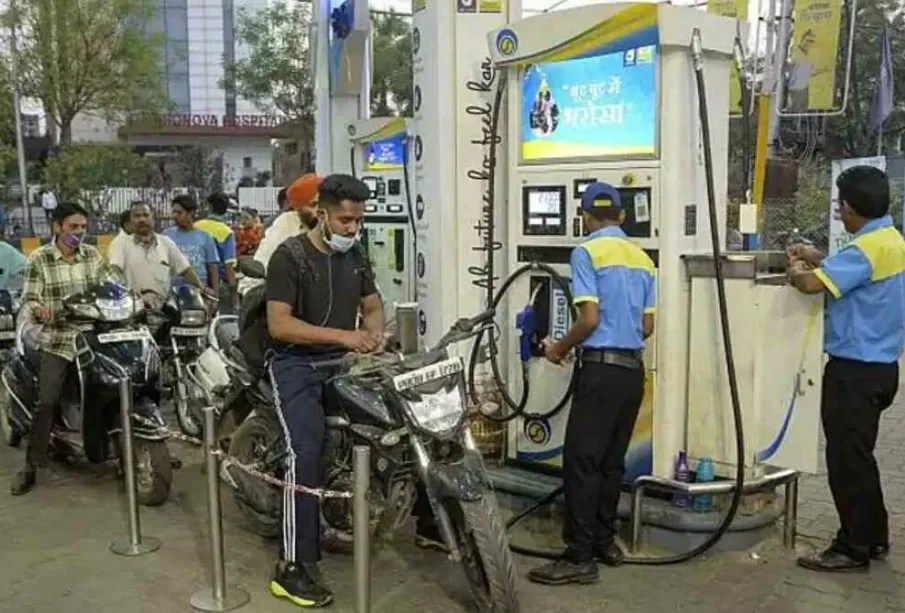
Industry statements and reporting indicate that overall fuel supply is “flowing normally”, but some forecourts have temporarily closed pumps. The BBC reported sporadic closures in Northern Ireland over a weekend, with industry bodies such as Fuels Industry UK and the Petrol Retailers Association noting isolated reports of limited availability at a small number of locations. Pumps running dry can happen occasionally, even without wider market pressure, and closures were reportedly more common at some supermarket-linked forecourts.
Market factors and prices
Industry commentary cited by media notes that the war is impacting the fuel market. Anecdotal reports suggest some supermarket forecourts were slower to raise prices, which may have contributed to temporary pump closures at chains including Sainsbury’s and Tesco. The Consumer Council for Northern Ireland’s weekly fuel price checker showed an average petrol price of 144.6p per litre last week — a rise of 19.8p since 26 February.
Real-time information and driving tips
Service operators such as Sanef/autoroute highlight real-time fuel availability tools at service stations to help motorists plan. Drivers are also advised to adopt fuel-saving habits: combine and reduce car journeys, drive smoothly and maintain a steady speed to conserve fuel. These practical steps help reduce demand pressure at times of constrained supply.
Conclusion: what readers should do
While the fuel supply is reported as generally normal, isolated pump closures and price rises underline the need to stay informed. Use real-time availability tools where offered, follow industry and retailer updates, and consider fuel-efficiency measures. If storing petrol, follow safety guidance: you may keep up to 30 litres in a suitable container in a garage or shed, but never store it unsafely (see HSE guidance on storing petrol safely). These steps can reduce personal disruption and help limit wider impacts on businesses and the economy.





