Seoul Olympics 1988: A Triumph of Sport and Diplomacy
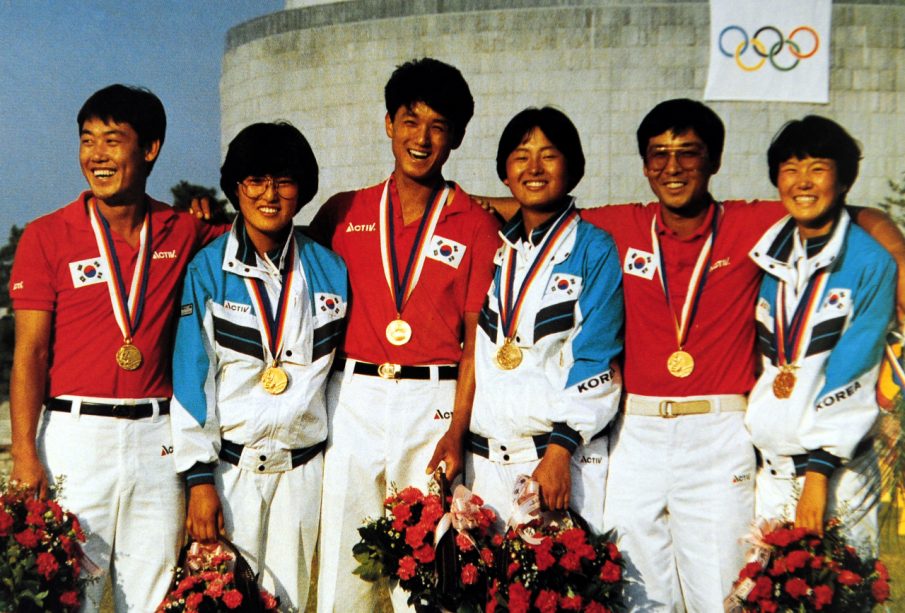
Introduction: Why the Seoul Olympics mattered
The Seoul Olympics of 1988 were a pivotal moment in modern sporting and diplomatic history. Held from 17 September to 2 October 1988, the Games brought global attention to South Korea at a time when the nation was seeking greater international recognition. Organisers and political leaders believed hosting the Olympics would enhance national prestige in a manner comparable to Japan’s 1964 Games, making the event important not only for sport but also for diplomacy and national identity.
Main events and context
Security, protests and political tensions
The lead-up to the Games was tense. Violent student riots occurred in Seoul in the months before the opening ceremony, and concerns about hostile action from North Korea loomed large. The International Olympic Committee (IOC), led by Juan Antonio Samaranch, and South Korean officials negotiated concessions to North Korea, which were ultimately judged unsatisfactory by the North and led to its boycott. Several allied states, notably Cuba and Ethiopia, also stayed away in solidarity. Press reports from the period noted security incidents—in 1986 a bombing in Seoul was reported in the Los Angeles Times and blamed on North Koreans—underscoring the fraught atmosphere in which the Games were prepared.
Participation and competition
Despite the boycott by North Korea and a handful of other countries, the Seoul Games remained highly competitive. The IOC’s efforts to accommodate concerns helped open participation to the Soviet Union and many Eastern European states, and China took part as well. The competition produced memorable athletic achievements: Turkey’s weightlifter Naim Süleymanoğlu won gold in the featherweight division, beginning a run of dominance, while American diver Greg Louganis repeated his 1984 sweep by winning both men’s diving events in Seoul.
Opening ceremony
The opening ceremony was held at Seoul Olympic Stadium on 17 September 1988 at 10:30 KDT. President Roh Tae-woo declared the Games of the XXIV Olympiad open, in a ceremony that symbolised South Korea’s emergence onto the world stage.
Conclusion: Legacy and significance
The Seoul Olympics combined sporting excellence with careful diplomacy, helping to elevate South Korea’s international profile. While political tensions and regional security concerns cast a shadow, the Games demonstrated the capacity of international sport to bridge divides and spotlight athletes from across the world. For many South Koreans and international observers, the 1988 Games marked a lasting legacy in both sport and statecraft, shaping perceptions of the country for decades to come.





