Thames Water: Investments, Services and Environmental Challenges
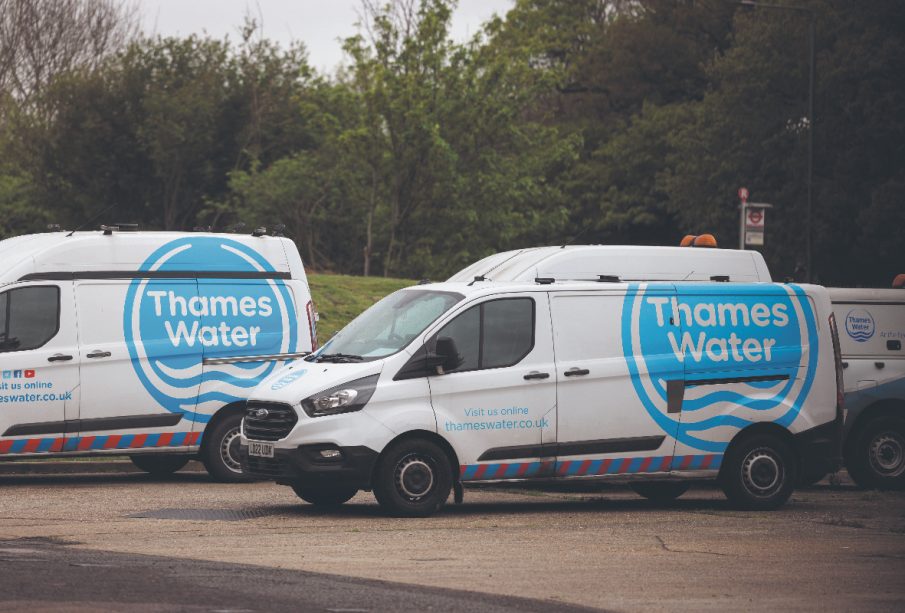
Why Thames Water matters
Thames Water is the UK’s largest water and sewerage company and a central provider of public services for around 15–16 million people across London and the Thames Valley. Its work affects public health, urban resilience and the local environment, so its performance and investment plans are of broad relevance to households, businesses and regulators. Recent spending commitments, operational facts and regulatory headlines make Thames Water a focal point in debates about infrastructure, pollution and long‑term water security.
Operations and investment
According to company profiles, Thames Water provides clean water and removes wastewater for roughly a quarter of the UK population. The company reports carrying out more than 400,000 tests per year on drinking water and says it will spend more than £1 billion this year on networks and infrastructure, with a similar level planned for the following year. Thames Water also highlights renewable energy generation enough to power more than 55,000 homes, sustainability and education programmes in schools, maintenance of nature reserves and a range of customer services such as online account management, priority services and water‑saving guidance.
Company size indicators show a workforce banded at 1,001–5,000 employees on business listings, and thousands of LinkedIn members associate themselves with the employer. The company communicates practical customer services—fixing leaks, reducing pollution and providing bottled water to affected customers during incidents—while promoting ways for households to save water.
Environmental record and regulatory issues
Public records summarised from regulatory and media sources show Thames Water has faced multiple enforcement actions and public criticism. Reported incidents include substantial pollution events, sizeable discharges of raw sewage into waterways, fish kills related to storm sewage, and a series of fines and penalty packages, including multi‑million‑pound settlements and compensation orders. There have also been findings linked to mis‑reported data and delays in environmental improvement works. These issues have driven scrutiny from regulators, the public and environmental groups.
Conclusion and outlook
Thames Water’s large customer base and major investment plans mean it will remain central to UK water policy and local environmental outcomes. The company’s stated capital spending and renewable energy output aim to modernise infrastructure, but continuing regulatory scrutiny over pollution and compliance suggests reforms and close oversight will persist. For customers, the significance is practical: improved investment could reduce leaks and service failures, while vigilance and water‑saving measures remain sensible as upgrades and enforcement proceed.





