Oracle’s role in cloud, databases and enterprise applications
Introduction: Why oracle matters
Oracle is a major global technology company whose products underpin many organisations’ IT estates. Founded in 1977 in California, Oracle has grown into one of the largest software and hardware firms worldwide. Its platforms — from the Oracle Database to cloud services and enterprise applications — are central to business intelligence, financial services and operational systems. Understanding Oracle’s offerings is important for IT leaders, investors and organisations planning digital transformation.
Main developments and core offerings
History and flagship technologies
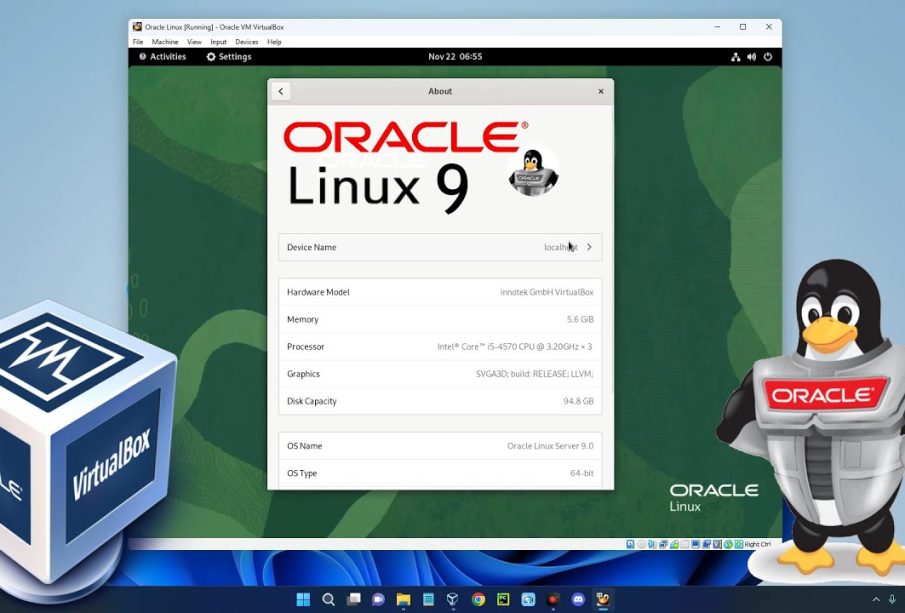
Since its inception nearly fifty years ago, Oracle has developed a broad set of IT solutions and acquired numerous companies to expand its portfolio. Its Oracle Database was the first SQL-based relational database management system (RDBMS) released commercially in the United States. Oracle is also known for systems such as Solaris, Java and Oracle Linux, which support enterprise software environments.
Middleware, servers and integration
Oracle Fusion Middleware is a family of tools for enterprise applications, offering products for data integration, business intelligence and content management. In addition to software, Oracle manufactures purpose-built servers and network solutions designed to run its platforms and databases, providing integrated hardware-software stacks for customers.
Cloud infrastructure and autonomous database
Describing itself as a cloud technology company, Oracle positions Oracle Cloud Infrastructure (OCI) as a high-performance, secure and cost-efficient option for organisations moving workloads between on-premises systems and the cloud. Oracle also promotes what it calls the world’s first and only autonomous database to help organise and secure customer data, aiming to simplify database administration and improve resilience.
Use cases and market reach
Organisations use Oracle Database and applications for ERP, customer relationship management (CRM) and human resources management (HRM), getting interactive insights into day-to-day operations. LinkedIn profile information highlights Oracle’s role across sectors — from private companies to governments, nonprofits and research institutions — and notes a global workforce of over 10,000 employees.
Conclusion: Significance and outlook
Oracle remains a central vendor for organisations that require integrated databases, enterprise applications and cloud infrastructure. Recent funding details in the provided data point to continued corporate activity, including a post-IPO debt round reported in 2025. For readers, the key takeaways are to monitor Oracle’s cloud migration tools, the adoption of its autonomous database, and how its middleware and hardware offerings continue to support enterprise digital transformation.





