Shelly Kittleson Abducted in Baghdad Amid Links to Iranian Militants
Introduction: Why the Case Matters
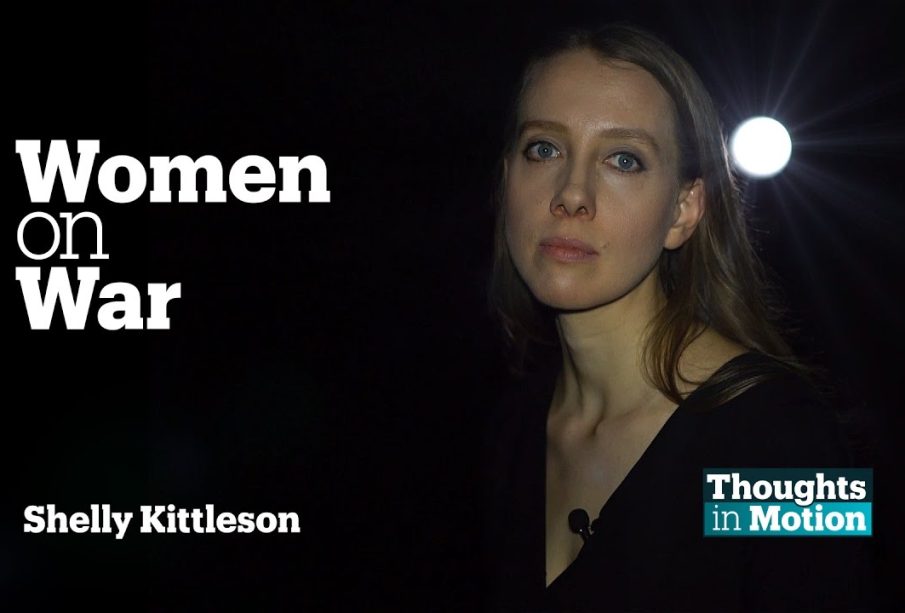
The reported abduction of Shelly Kittleson, an American freelance journalist who has contributed to outlets including POLITICO and Al‑Monitor, has drawn international attention. Kidnappings of journalists in Iraq underscore persistent security risks for media workers and raise concerns about the safety of foreign nationals operating in the country. The case is significant for press freedom, diplomatic relations and the ongoing efforts by Iraqi and US authorities to counter militant and criminal activity.
Main developments and reported facts
Circumstances of the abduction
According to reports, Kittleson was seized from a street in Baghdad. Iraq’s Interior Ministry stated that unidentified individuals abducted her, prompting a search by local security forces. Some news organisations have used the variant spelling “Shelley” in their coverage; however, reporting consistently identifies her as a US freelance journalist who has written for multiple publications.
Links and alleged perpetrators
Politico reported that the kidnapping has been linked to Iranian militants, a claim that, if substantiated, would echo wider regional tensions and the role of armed groups in Iraq. At present the identity and motives of the perpetrators remain subject to investigation and verification by Iraqi authorities and international partners.
Official responses and ongoing efforts
US officials, including sources cited anonymously in media coverage, confirmed that the State Department is aware of the abduction and is working with the Iraqi government to secure Kittleson’s release. Al‑Monitor reported that sources in the Trump administration had previously been aware of threats against her and had advised against travel to Iraq. News outlets have also reported that at least one suspect has been apprehended and that operations are underway to locate additional suspects.
Conclusion: Implications and outlook
The abduction of Shelly Kittleson highlights the hazards faced by journalists covering complex and contested environments. The incident may prompt renewed scrutiny of security advice for foreign journalists in Iraq and could influence diplomatic engagement between the United States and Iraqi authorities. For readers, the key takeaways are the continued vulnerabilities for media workers in the region and the importance of timely, verified information as investigations proceed. Further updates will depend on official findings and any statements from Iraqi or US officials regarding responsibility and Kittleson’s status.





