Understanding the Fuel Shortage: Causes and Consequences
Why the fuel shortage matters
The prospect or presence of a fuel shortage affects daily life, the economy and essential services. Fuel underpins transport, freight and many industrial processes; disruptions can quickly ripple through supply chains, raise costs for households and businesses, and hamper emergency responses. Understanding the drivers, immediate effects and likely outlook helps readers make informed decisions and prepare for short-term impacts.
Main factors behind current shortages
Supply and distribution pressures
Fuel shortages typically arise from a combination of reduced supply and distribution bottlenecks. Refinery outages, constrained imports, or delays at ports and terminals can tighten availability. Problems in logistics — such as a shortage of tanker drivers or limited storage capacity — may prevent fuel from reaching retail forecourts even when overall supply is adequate.
Demand spikes and external shocks
Sudden increases in demand, whether seasonal, behavioural or panic-driven, can outstrip local supplies. External shocks such as adverse weather, geopolitical tensions or cyber incidents affecting energy infrastructure also contribute. Labour disputes or regulatory disruptions can further reduce throughput along the fuel value chain.
Impacts on people and business
Consumers and transport
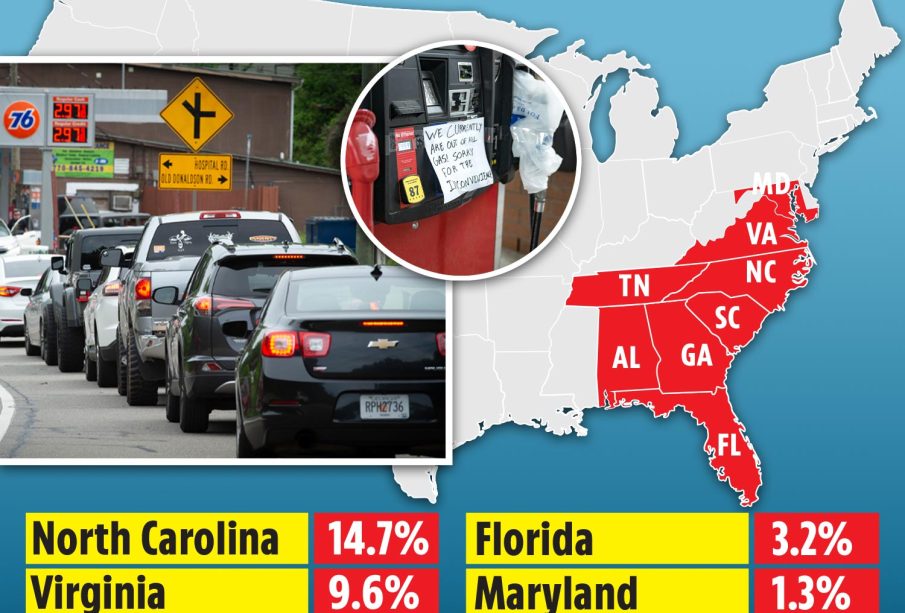
At the consumer level, a fuel shortage can lead to longer queues, temporary rationing at filling stations and higher pump prices. Commuters and private motorists may need to consolidate journeys or seek alternatives such as car-sharing, public transport or active travel where possible.
Wider economic effects
Businesses that rely on road transport — including logistics, retail and construction — face higher operating costs and potential delays. Small firms with tight margins are often most vulnerable. Localised shortages can disrupt deliveries of food, medicines and other essentials until normal supply resumes.
Conclusion and outlook
Short-term resolution typically depends on restoring steady supply flows and addressing distribution constraints. Authorities and industry often respond by prioritising deliveries, communicating clear guidance and, where available, deploying strategic reserves. For readers, practical steps include planning journeys, reducing unnecessary travel, and following official advice. In the medium term, resilience measures — such as diversifying supply routes, investing in infrastructure and encouraging low-carbon transport alternatives — can reduce vulnerability to future fuel shortages.