Peep Show: How the Sitcom Keeps Shaping British Comedy
Introduction: Why Peep Show still matters
Peep Show has grown from a cult Channel 4 sitcom into a touchstone of modern British comedy. First broadcast in 2003, the series introduced a distinctive point-of-view camera style and internal monologues that set it apart from contemporaries. Its relevance lies in both its formal inventiveness and its unflinching portrayal of two flawed protagonists, making it a frequent subject of debate among viewers, critics and creators.
Main body: Facts, features and impact
Origins and format
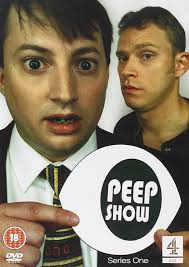
Created by Sam Bain and Jesse Armstrong, peep show ran from 2003 to 2015 and starred David Mitchell and Robert Webb as Mark and Jez. Across nine series, the programme used close-up, subjective camera work and voiceover to give audiences direct access to the characters’ private thoughts. This technique contributed to a distinctive comedic tone that blended cringe humour with sharp social observation.
Characters and themes
At its centre are two very different characters: the neurotic, rule-bound Mark and the impulsive, self-deluding Jez. Their uneasy friendship, romantic misadventures and career failures formed the backbone of the series, allowing the show to explore themes of aspiration, insecurity and the routines of everyday life in early 21st-century Britain. The honesty of the characters’ inner voices often produced uncomfortable but revealing humour.
Reception and continuing presence
peep show received strong critical attention during and after its run and remains influential among writers and performers. Its formal innovations and character-driven comedy are frequently cited in discussions of British television comedy. The show continues to find new audiences through repeats and on-demand viewing, ensuring that its dialogue and set-piece moments remain part of the broader comedy conversation.
Conclusion: Enduring significance and outlook
Peep Show’s legacy is likely to persist: its techniques have been absorbed into contemporary comedy, and its characters continue to be touchstones for writers exploring awkwardness and social realism. For viewers, the series offers a mix of formal daring and humane observation that still rewards repeat viewing. As British comedy evolves, peep show remains an important reference point for how television can mine personal interiority for both humour and insight.





