Whipsnade Zoo: Conservation, History and Visitor Experience
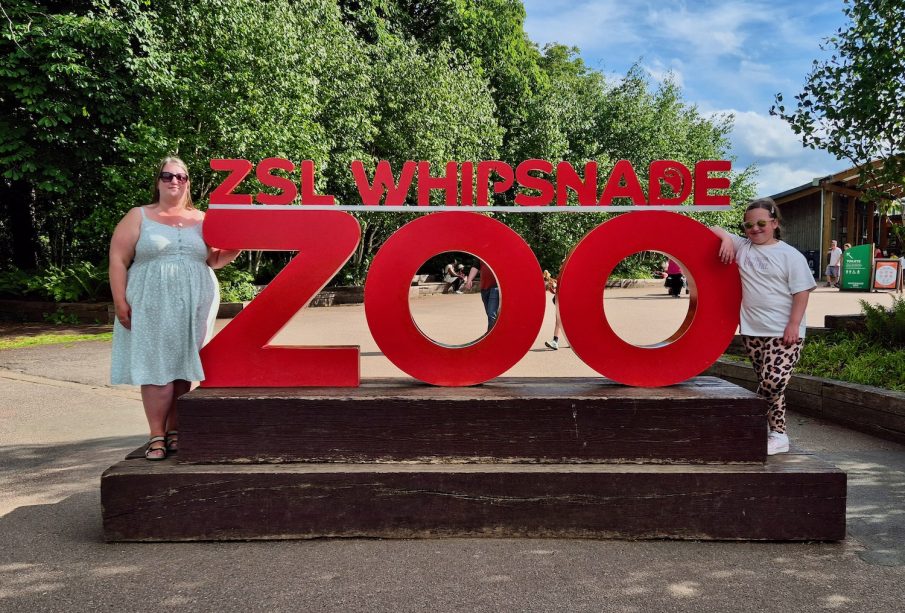
Introduction — Why Whipsnade Zoo matters
Whipsnade Zoo, operated by the Zoological Society of London (ZSL), is one of the United Kingdom’s largest and most influential wildlife sites. Located near Dunstable in Bedfordshire and set across around 600 acres (243 hectares), the zoo plays a significant role in conservation, scientific research and public education. Its scale and range of species make it a focal point for efforts to protect threatened animals and to engage the public in biodiversity issues.
Main body — History, conservation and visitor facts
History and role
Established in 1931, ZSL Whipsnade Zoo was created to provide more space for animals than city-based collections could offer. Over decades it has developed into a predominantly open, park-like collection that specialises in large mammals and birds, offering extensive enclosures that reflect a commitment to animal welfare and naturalistic displays.
Conservation and research
As part of ZSL, Whipsnade contributes to captive breeding, species survival programmes and field conservation projects worldwide. The zoo supports scientific research through ZSL’s Institute of Zoology, participates in breeding programmes for vulnerable species and provides veterinary and behavioural expertise that underpins both in-situ and ex-situ conservation work. Educational outreach for schools and the public forms a central component of its mission to raise awareness of environmental challenges.
Visitor experience and community impact
Whipsnade attracts visitors with its expansive landscape, family-friendly exhibits and opportunities to see large species such as elephants and giraffes in more open settings than many smaller zoos. The site contributes to local tourism and offers educational programmes, seasonal events and facilities designed to combine recreation with learning about wildlife and habitats.
Conclusion — Significance and outlook
Whipsnade Zoo remains a key resource for conservation, research and public engagement in the UK. Its size and association with ZSL give it an influential platform to support endangered species and to foster public understanding of biodiversity loss. For visitors and conservation-minded readers, Whipsnade continues to offer opportunities to observe wildlife responsibly while supporting broader efforts to protect species and habitats at risk.





