International Space Station: Science, Operations and the Road to 2030
Introduction — Why the International Space Station matters
The International Space Station (ISS) is a long-running symbol of international cooperation in low Earth orbit and a unique laboratory for science and technology. Its operations, research output and role in developing commercial spaceflight make it a subject of sustained public and scientific interest. Continued activity aboard the ISS affects climate observation, biomedical research, materials science and the emerging market for commercial low Earth orbit services.
Main body — Operations, research and recent trends
Partnership and operations
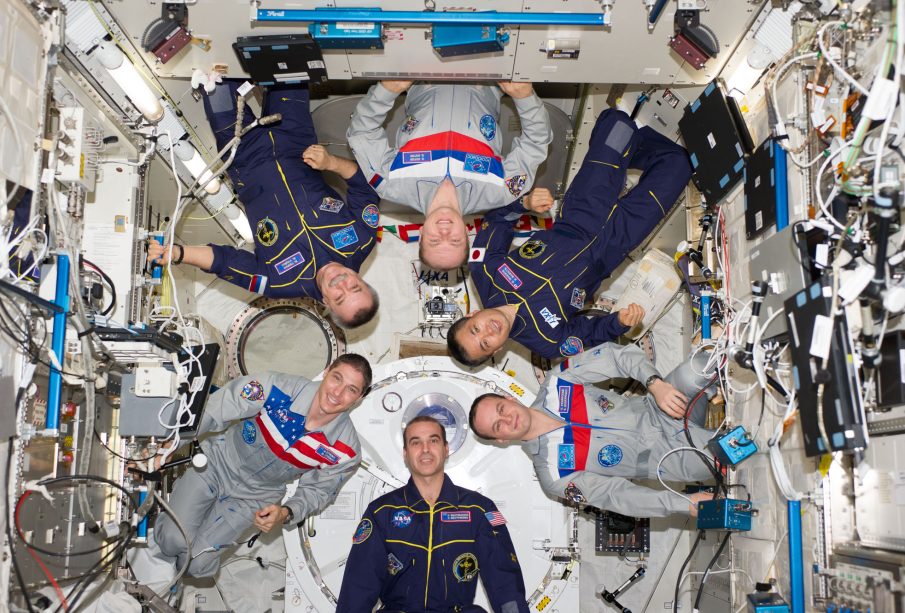
The ISS is a multinational partnership involving NASA, Roscosmos, ESA, JAXA and CSA. It has supported continuous human presence since November 2000 and typically hosts crews ranging in size to carry out station maintenance, experiments and outreach. The station orbits roughly 400 kilometres above Earth, circumnavigating the planet roughly every 90 minutes.
Science and technology on board
Research on the ISS exploits microgravity to probe questions that cannot be addressed on the ground: human physiology in space, fluid dynamics, combustion, and the behaviour of materials. The platform also supports Earth observation and technology demonstrations that help advance satellite systems, life-support technologies and long-duration mission planning.
Supply and commercial activity
Resupply and crew transportation increasingly involve commercial partners. Cargo missions and crewed launches by private companies have become routine, demonstrating the viability of commercial logistics to and from low Earth orbit. This transition supports a broader shift towards a mixed model of government and commercial operations in space.
Conclusion — Outlook and significance for readers
Agencies have committed to operating the ISS through at least 2030, while planning for a managed transition to commercially operated platforms in low Earth orbit. For readers, the ISS remains important as a testbed for technologies that will underpin future exploration and as a source of scientific results with direct applications on Earth — from medicine to environmental monitoring. As the station approaches the next phase of its life, observers will watch how public–private partnerships and international coordination shape the future of human activity in low Earth orbit.





