Understanding oil refinery fire: causes, effects and response
Introduction: Why an oil refinery fire matters
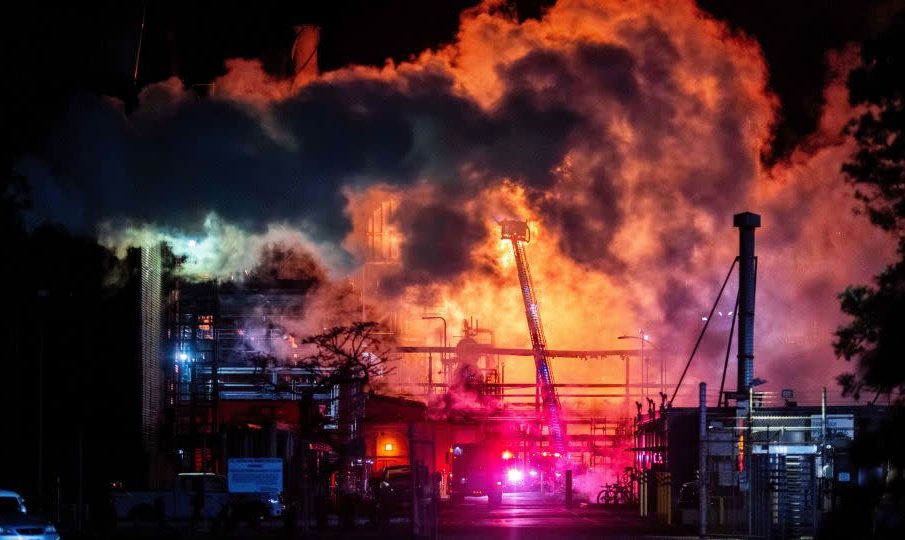
An oil refinery fire is a high‑consequence incident with wide‑ranging implications for public safety, the environment and energy supply. Fires at refineries can produce toxic smoke, disrupt fuel production and place strains on emergency services. Given the proximity of many refineries to populated areas and critical infrastructure, understanding the risks and responses associated with an oil refinery fire is important for communities, regulators and industry stakeholders.
Main body: Causes, consequences and typical responses
Common causes
Oil refinery fires often originate from equipment failures, operator error, process upsets, hot work (welding, cutting) or ignition of released hydrocarbons. Complex processing units, high temperatures and the presence of flammable liquids and vapours increase the likelihood that a small leak can escalate rapidly if not contained.
Immediate consequences
When a fire occurs, immediate priorities are life safety and containment. Fires can produce dense smoke containing particulates and hazardous compounds such as sulphur oxides and volatile organic compounds. Nearby workers and residents may be at risk from burns, heat exposure and inhalation of smoke. Emergency services typically establish exclusion zones, conduct evacuations or shelter‑in‑place orders, and apply firefighting foam and cooling water to prevent escalation.
Environmental and economic impacts
Beyond the immediate hazard, oil refinery fires can lead to air and water pollution and long‑term soil contamination. They can also interrupt fuel supplies, affecting transport, industry and heating. The economic costs include repair of damaged equipment, production losses and potential regulatory fines and litigation.
Regulation, preparedness and prevention
Regulators require refineries to maintain safety systems, conduct hazard analyses and have emergency response plans. Industry best practice emphasises regular maintenance, leak detection, automated shutdown systems and training. Community preparedness—clear communication channels and up‑to‑date emergency plans—reduces health risks when incidents occur.
Conclusion: What readers should take away
An oil refinery fire is a serious event with health, environmental and economic consequences. Effective prevention, robust emergency response and transparent communication are key to minimising harm. For residents near refineries, staying informed about local emergency procedures and following instructions from authorities are the most immediate practical steps to reduce risk. For policymakers and industry, continued investment in safety and resilience will be essential to limit future incidents and protect communities and services.





