Rathlin Island: Wildlife, History and Visitor Guide
Introduction
Rathlin Island is Northern Ireland’s only inhabited offshore island and a focal point for conservation, history and rural community life. Its seabird colonies, coastal scenery and layered past make Rathlin Island relevant to visitors, wildlife watchers and anyone interested in the region’s cultural heritage. Understanding the island’s natural and human story helps inform conservation and sustainable tourism choices.
Main body
Wildlife and conservation
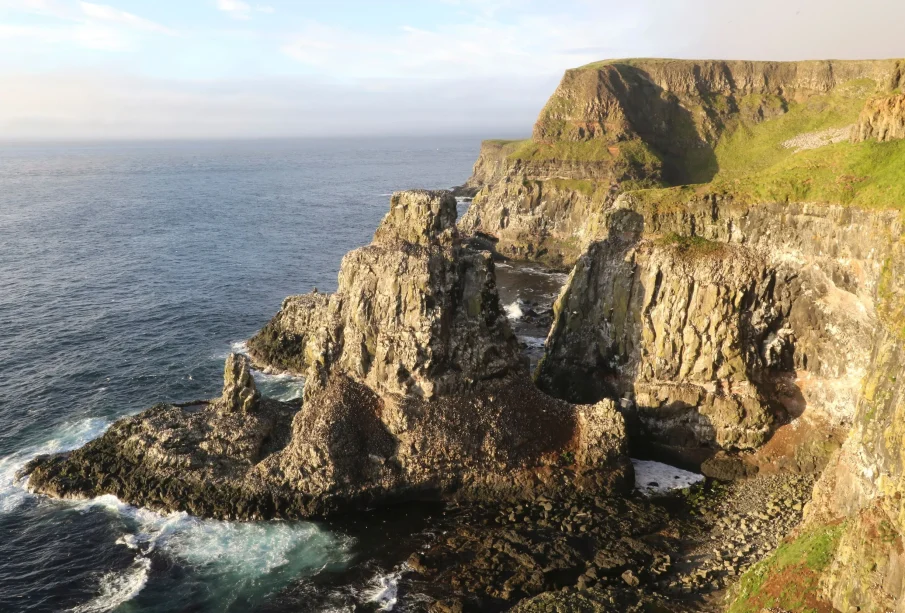
Rathlin Island is best known for its seabird populations, including puffins, razorbills, guillemots and kittiwakes that nest on its sea cliffs in summer months. The island’s marine environment supports seals and a range of coastal plants. Conservation organisations work locally to protect breeding sites and to balance visitor access with sensitive habitats. Seasonal wildlife watching is a major draw, with organised boat trips and guided walks offered by local providers during the breeding season.
History and culture
The island has a long human story reflected in archaeological remains, place names and historic events. Rathlin has been associated with maritime trade, small-scale farming and a close-knit island community for centuries. It is also remembered for darker chapters, such as the 16th-century massacre that affected local families, and for legends — including the widely told story that Robert the Bruce once sought refuge on the island, a tale that has become part of local lore. Today, community life revolves around fishing, tourism, local services and efforts to sustain a year-round population.
Access and visitor information
Visitors generally reach Rathlin Island by a short ferry crossing from the County Antrim mainland; services operate from nearby harbours and vary by season and weather. Once on the island, there are footpaths, viewpoints and small visitor facilities. Accommodation is limited, and local businesses emphasise low-impact tourism and respect for wildlife. Practical planning — checking ferry timetables, weather forecasts and any conservation notices — is important for a safe and rewarding visit.
Conclusion
Rathlin Island remains a compact example of the challenges and opportunities facing small island communities: conserving rich wildlife, sustaining local livelihoods and welcoming visitors responsibly. Continued collaboration between residents, conservation bodies and visitor services will shape Rathlin’s future, keeping the island important both as a natural refuge and as a living community for generations to come.





