Assassin’s Creed: Why the Franchise Still Matters
Introduction: Why Assassin’s Creed matters
Assassin’s Creed is a widely recognised entertainment franchise that blends historical settings with fictional narratives and action gameplay. Its significance extends beyond sales figures: the series has influenced how historical periods are depicted in interactive media and has cultivated a large, active community. For readers interested in games, culture or digital storytelling, the franchise remains relevant because it repeatedly illustrates how interactive experiences can reframe history for modern audiences.
Main developments and characteristics
Blending history and fiction
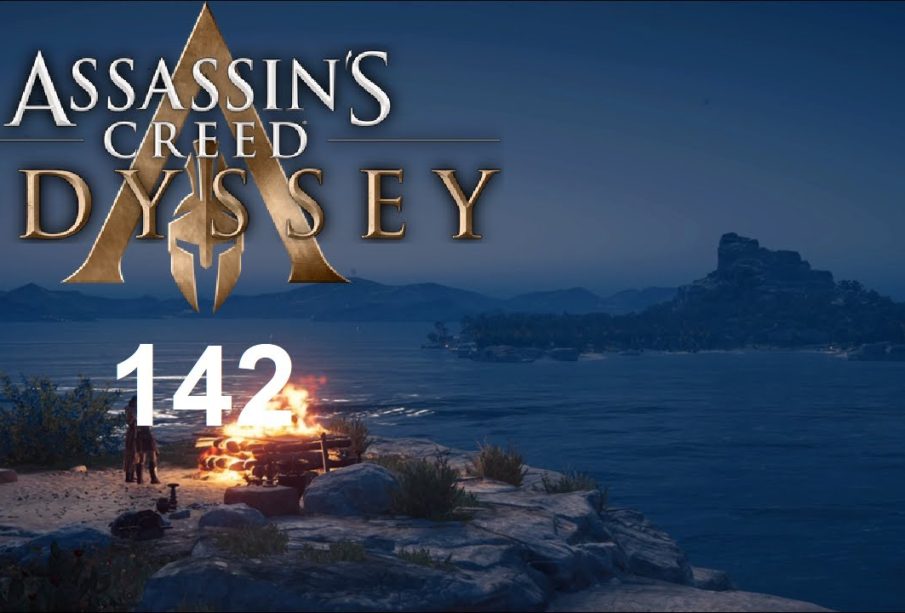
A defining feature of Assassin’s Creed is its combination of well-researched historical backdrops with a fictional ongoing conflict. This approach offers players immersive environments—ranging from cityscapes to broader regional settings—while weaving a fictional narrative around themes such as freedom, power and identity. The structure encourages exploration and often integrates real historical figures and events into the storyline.
Gameplay and design
The series is known for open-world design, parkour-like traversal, stealth mechanics and a mix of combat and stealth-based missions. These design choices have influenced other titles in the genre and shaped player expectations for large, detailed worlds that reward curiosity and skill. Additionally, the franchise has supported player engagement through side content, collectibles and systems that encourage multiple approaches to objectives.
Community and cultural reach
Beyond gameplay, Assassin’s Creed has inspired fan communities, creative projects, and discussion about historical representation in media. Fans often investigate the real-world periods depicted in the games, while creators produce guides, artwork and modifications that extend the life of each release. The franchise’s format also lends itself to cross-media interest from readers, historians, and educators curious about interactive history.
Conclusion: Significance for readers and outlook
Assassin’s Creed continues to matter as an example of how games can combine entertainment with historical motifs to engage wide audiences. For readers, the franchise offers both a model of contemporary game design and a gateway to historical curiosity. Looking ahead, its enduring popularity suggests it will remain a touchstone in discussions about storytelling in games; observers and players alike can expect ongoing interest in how the series evolves its approach to history and interactivity.





