Crossbow: Modern Uses, Safety and Regulation
Introduction: Why the crossbow matters
The crossbow remains a subject of interest across heritage, sport and public-policy discussions. Its long history as a military and hunting device has given way to diverse contemporary roles in target sport, recreational shooting, film production and niche hunting communities. The topic is relevant because it intersects safety, legal regulation and cultural heritage, prompting ongoing attention from users, regulators and the public.
Main body: Design, uses and concerns
How a crossbow works
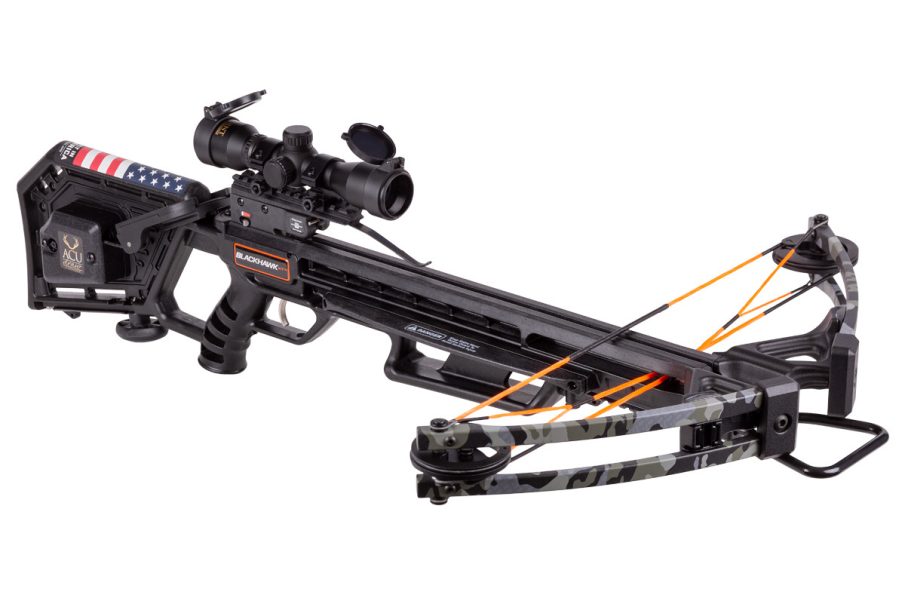
At its simplest, a crossbow consists of a bow mounted on a stock, with a mechanism to hold and release the string. Modern variants range from traditional wood and steel constructions to models using composite limbs and precision trigger systems. The mechanical advantage provided by the stock and cocking aids makes aiming and shooting different from hand-drawn bows.
Contemporary uses
Today crossbows are used in a variety of settings. Enthusiasts practise target shooting and participate in organised competitions. In some regions they are employed for certain forms of hunting where permitted. Crossbows also feature in film, television and historical reenactment for their period authenticity. For many users, the appeal lies in craftsmanship, skill development and connection to historical traditions.
Safety and regulation
Safety is central to any discussion of crossbows. Responsible use involves secure storage, clear separation of shooting areas from the public, use of protective equipment and proper training. Crossbows are subject to varying legal frameworks: some jurisdictions impose restrictions on ownership, transportation and use, while others regulate them in the same manner as other sporting equipment. Because rules differ widely, those who own or consider purchasing a crossbow are advised to check local laws and guidance from recognised shooting organisations.
Conclusion: Implications and outlook
The crossbow occupies a distinctive place between historical artefact and modern sporting tool. Its continued presence in hobbyist, sporting and cultural spaces underscores the need for clear safety practices and up-to-date regulation tailored to local conditions. For readers, the practical takeaway is straightforward: if you are considering use or ownership, seek reputable training, follow safety protocols and verify legal requirements in your area. As materials and designs evolve, the conversation around the crossbow will likely continue to balance heritage, recreation and public safety.





