What Premiership Fixtures Mean for Clubs, Fans and Broadcasters
Introduction: Why premiership fixtures matter
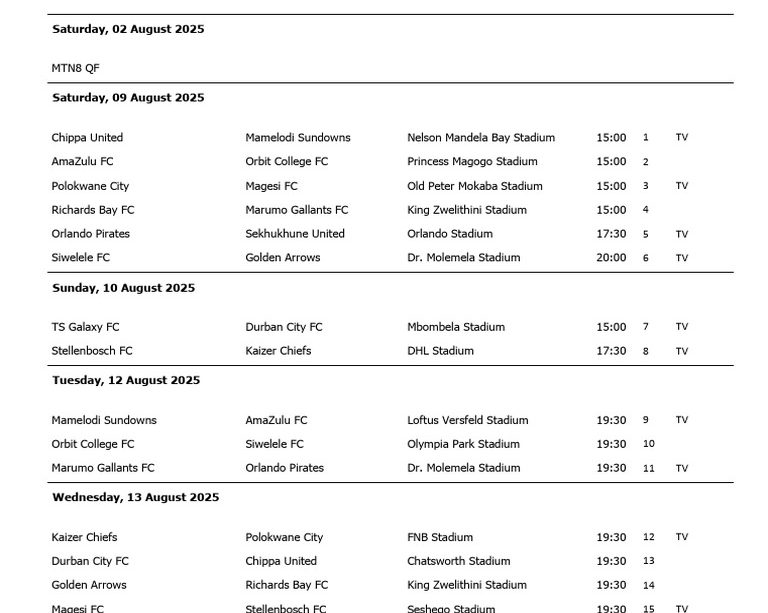
Premiership fixtures shape the rhythm of a season for clubs, players, supporters and broadcasters. The release and subsequent management of fixtures determine travel plans, training cycles, commercial opportunities and television schedules. Understanding how fixtures are organised and the pressures that follow helps stakeholders plan for competitive, financial and logistical challenges across the season.
How fixtures are set and adjusted
Fixture lists are typically compiled by the competition organiser in consultation with clubs, police and broadcasters. The initial schedule aims to balance home and away matches, avoid local policing clashes and accommodate international windows and cup ties. Broadcasters may request specific kick-off times for marquee matches, while cup competitions and European commitments require flexibility.
Rescheduling and congestion
Throughout the season fixtures can be moved due to cup replays, European fixtures, adverse weather or public-safety considerations. Such changes can create fixture congestion – tightly packed match sequences that test squad depth and player recovery. Clubs must manage training loads and rotation to mitigate injury risk, while medical and performance teams play a central role in keeping squads competitive.
Impact on clubs and players
Fixture timing influences preparation and strategy. Clubs with heavy schedules need larger squads and clearer rotation policies. Fixture lists also affect transfer planning: managers assess forthcoming runs of matches when deciding which positions to strengthen. For players, unpredictable schedules can affect form and fitness, especially when international call-ups interrupt domestic runs.
Supporters, travel and matchday experience
For supporters, fixtures underpin travel plans and ticket purchasing. Advance notice of kick-off times allows fans to book travel and accommodation and arrange time off work. Late changes or midweek rescheduling can increase costs and reduce attendance, particularly for long-distance away trips. Clubs and authorities increasingly provide advance information and ticketing flexibility to help mitigate disruption.
Broadcasters and commercial considerations
Broadcast partners value marquee fixtures and peak-time kick-offs for audience reach and advertising revenue. Negotiations around broadcast windows influence the fixture calendar, sometimes prioritising television audiences over traditional matchday timings. Commercial income derived from broadcast schedules is a critical revenue stream for many clubs and the competition as a whole.
Conclusion: Significance and outlook
Premiership fixtures are more than a list of dates: they are a central organisational element that affects competitive fairness, commercial outcomes and supporter experience. As the season unfolds, stakeholders must balance competing priorities—sporting integrity, player welfare, fan access and broadcast obligations. Improved coordination and transparent communication remain key to reducing friction and ensuring that fixtures serve the broadest range of interests.





