PlayStation 5: Status, Features and Future Outlook
Introduction
The PlayStation 5 remains a focal point for console gaming, shaping player expectations and developer priorities. Since its launch in November 2020, the platform’s blend of new hardware, controller technology and a strong first-party publishing programme has influenced how games are designed and experienced. Understanding the PS5’s capabilities and market position is important for players, developers and retailers planning for the next phase of the console generation.
Main developments
Hardware and features
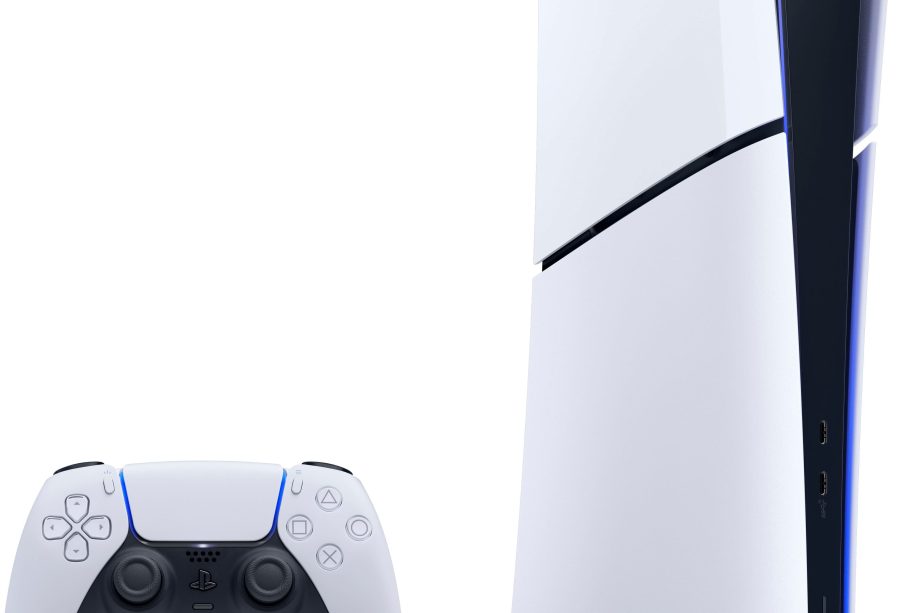
The PlayStation 5 is offered in two main variants — a standard model with an optical disc drive and a Digital Edition without one. It uses custom AMD-based CPU and GPU architectures, a high-speed solid-state drive and advanced I/O to reduce load times and enable new design approaches for game worlds. The console supports high-fidelity graphics, including ray tracing and high frame rates at 4K resolution, and its DualSense controller brought haptic feedback and adaptive triggers into widespread use, offering more tactile gameplay experiences.
Software and services
PlayStation 5 benefits from a mix of first-party exclusives and third-party support. Titles developed for the platform have showcased its fast storage and controller innovations, while backward compatibility with a large portion of PlayStation 4 titles has helped smooth adoption for players moving between generations. Sony’s subscription services, including PlayStation Plus, continue to bundle online play, curated game libraries and regular content updates, affecting how consumers access and value games.
Market context and supply
After an initial period of constrained supply, availability has improved, allowing more households to consider the PS5 as their primary console. The platform’s lifecycle is entering a period where software releases and long-term support decisions will determine momentum. For developers and publishers, the PS5 represents an opportunity to leverage its technical strengths while remaining mindful of cross-generation audiences on PlayStation 4 and PC.
Conclusion
The PlayStation 5 continues to set expectations for performance and player interaction in the current console generation. For players, the platform promises richer, faster experiences; for developers, it offers tools to innovate. Going forward, continued software support, exclusive releases and service offerings will shape the PS5’s significance in households and the broader games market.





