Tomb Raider: Legacy, Recent History and What’s Next
Introduction: Why Tomb Raider still matters
Tomb Raider is one of gaming’s most enduring franchises, centred on the adventurer Lara Croft. Since its debut in 1996, the series has shaped action-adventure design, cinematic storytelling in games and cross‑media adaptations. Its continuing relevance is reflected in active fan communities, recurring remasters and film adaptations, making Tomb Raider a useful lens through which to view changes in the games industry and popular culture.
Main developments and context
Origins and evolution
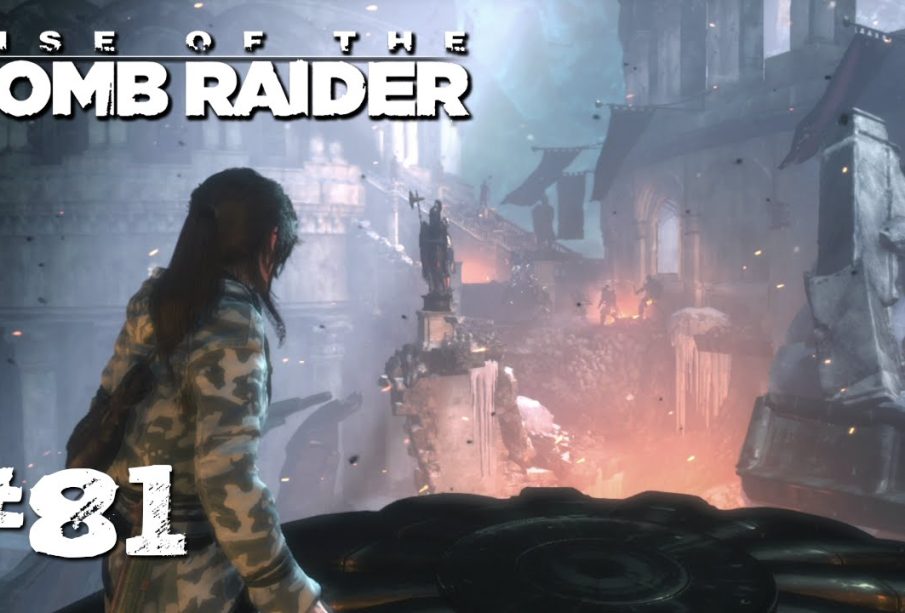
The original Tomb Raider, developed by Core Design, introduced players to archaeological exploration, puzzle‑solving and platforming on home consoles and PC. Over subsequent decades the franchise evolved technically and narratively. Crystal Dynamics led a notable reboot with 2013’s Tomb Raider, followed by Rise of the Tomb Raider (2015) and Shadow of the Tomb Raider (2018). That reboot trilogy emphasised a grittier, character‑driven Lara and a cinematic approach to action sequences.
Film adaptations and cultural reach
Tomb Raider has also made an impact on film. The early 2000s Angelina Jolie movies and the 2018 reboot starring Alicia Vikander extended the franchise’s profile beyond gamers. Merchandise, novels and comic tie‑ins have broadened the series’ footprint, helping Lara Croft remain a recognisable figure in global popular culture.
Recent status and fan expectations
There has been no new mainline Tomb Raider release since Shadow of the Tomb Raider in 2018, but the franchise continues to generate discussion about remasters, potential new entries and further media projects. Fan interest centres on fresh narratives, modernised gameplay systems and expanded accessibility. Developers and publishers face the dual task of respecting the series’ legacy while innovating to meet contemporary expectations for storytelling and technical performance.
Conclusion: Significance and outlook for readers
Tomb Raider’s legacy is twofold: it is both a milestone in game design and a transmedia property with ongoing cultural resonance. For readers and fans, the franchise represents nostalgia as well as potential — opportunities for new storytelling in games and other formats. While specifics on future releases often remain guarded until official announcements, Tomb Raider’s established fanbase and proven adaptability suggest the character and series will continue to influence gaming and entertainment in the years ahead.





