How Downdetector Helps Track Real-time Service Outages
Introduction
Downdetector has become a widely consulted resource for people and organisations needing quick confirmation of internet and app disruptions. In an era when daily life, work and emergency services rely on online platforms, rapid awareness of outages helps users make informed decisions and reduces uncertainty when services appear to fail.
Main body
What Downdetector does
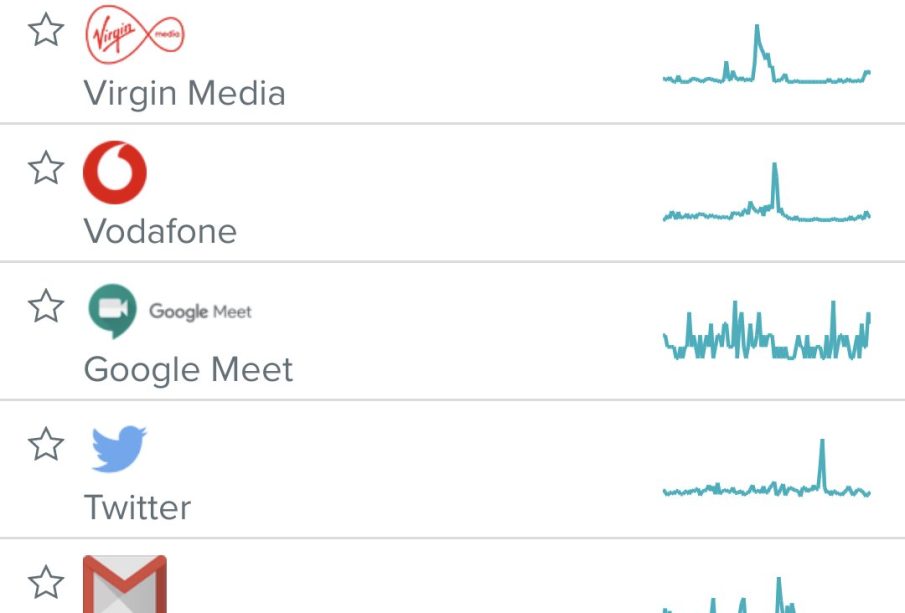
Downdetector aggregates reports of service issues from users to produce near real-time maps and timelines of outages. When multiple people report problems in the same area or with the same service, the platform highlights elevated incident levels and displays trends so visitors can see whether an issue is localised or widespread.
Sources and methodology
The site relies primarily on crowd-sourced user reports supplemented by public signals such as social media activity. By combining many independent reports the service can identify patterns, while timelines show whether incidents are increasing or returning to normal. This crowd-sourced approach enables fast detection without depending solely on official provider bulletins.
Uses for consumers and businesses
For consumers, Downdetector offers a quick check to determine if a problem is affecting many users or is likely caused by local equipment. Businesses and IT teams use the data to prioritise troubleshooting, correlate internal monitoring with public reports, and communicate status updates to customers. Journalists and regulators also reference aggregated outage data when reporting on major service failures.
Limitations and cautions
Because Downdetector depends on user reports, it can be sensitive to spikes in reporting that do not reflect technical faults, such as social media attention or regional testing events. It should therefore be used alongside official provider status pages and internal diagnostics. The platform indicates trends rather than serving as a definitive root-cause analysis.
Conclusion
As reliance on digital services grows, tools like Downdetector will remain valuable for rapid situational awareness. Readers should treat the service as an early-warning and crowdsourced indicator, complementing provider notices and technical checks. Continued improvements in data integration and transparency are likely to enhance its usefulness for consumers, businesses and emergency planners.





