Understanding the Met Office Snow Forecast and Its Impacts
Introduction
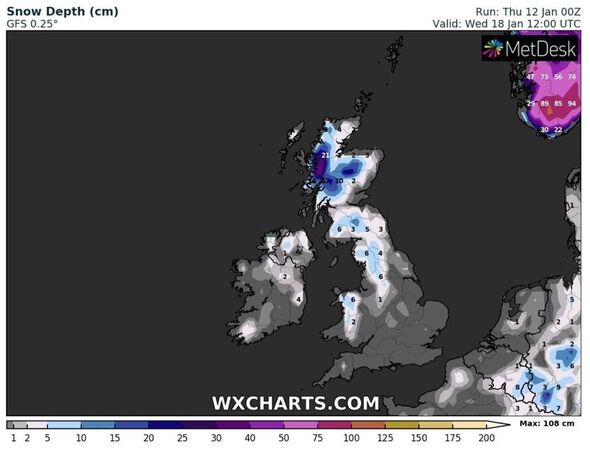
The met office snow forecast is a routine but vital piece of public information during colder months. Accurate forecasts help councils, transport operators and households prepare for disruption to roads, rail and schools. Clear communication of snow risk also underpins emergency planning and reduces avoidable harm, making the forecast relevant to millions who rely on daily travel and energy services.
Main body
How the forecast is produced
The Met Office combines observations from weather stations, radar and satellites with computer modelling and expert analysis to estimate where and when snow may fall. Forecasts consider temperature profiles through the atmosphere, ground temperatures and the form of precipitation. Because snow accumulation depends on many local factors, forecasters provide probabilistic information and ranges rather than single definitive depths.
Warnings and guidance
Where conditions could cause impacts, the Met Office issues weather warnings to indicate the likelihood and potential severity of snowfall. These warnings are tiered to reflect increasing risk and are accompanied by advice for households and organisations to act proportionately—such as allowing extra travel time, checking public transport updates or keeping supplies of essentials at home.
Impacts and recent patterns
Snow can affect urban and rural areas differently. In built-up locations, road salt and gritting reduce disruption but significant or persistent snowfall still delays commutes and can interrupt deliveries. In upland and rural regions, deeper accumulations and drifting are more likely, increasing the risk to isolated communities and outdoor workers. Forecasts therefore emphasise regional differences and the potential for rapid changes in conditions.
How to interpret the met office snow forecast
Readers should look for the geographic area covered, the timing window, and the stated confidence. Short-term updates refine the expected onset and accumulation, so checking the Met Office website, app or official social channels before travelling gives the best situational awareness.
Conclusion
The met office snow forecast is a key tool for decision-making when colder weather approaches. While precise accumulations remain uncertain until closer to an event, the combination of warnings and model updates enables individuals and organisations to take sensible precautions. Staying informed and following official guidance reduces risk and helps communities cope with snowfall when it arrives.





