Project Hail Mary: Science, Survival and Global Stakes
Introduction: Why Project Hail Mary matters
Project Hail Mary, a science fiction novel by Andy Weir published in 2021, has attracted attention for its blend of rigorous scientific detail and human-centred storytelling. The book’s central premise — one person on a desperate interstellar mission to avert catastrophe for all of Earth — resonates in an era shaped by global risks and a renewed interest in practical science. Its accessibility to a broad readership has made it a talking point among educators, scientists and general readers.
Main body: Plot, science and reception
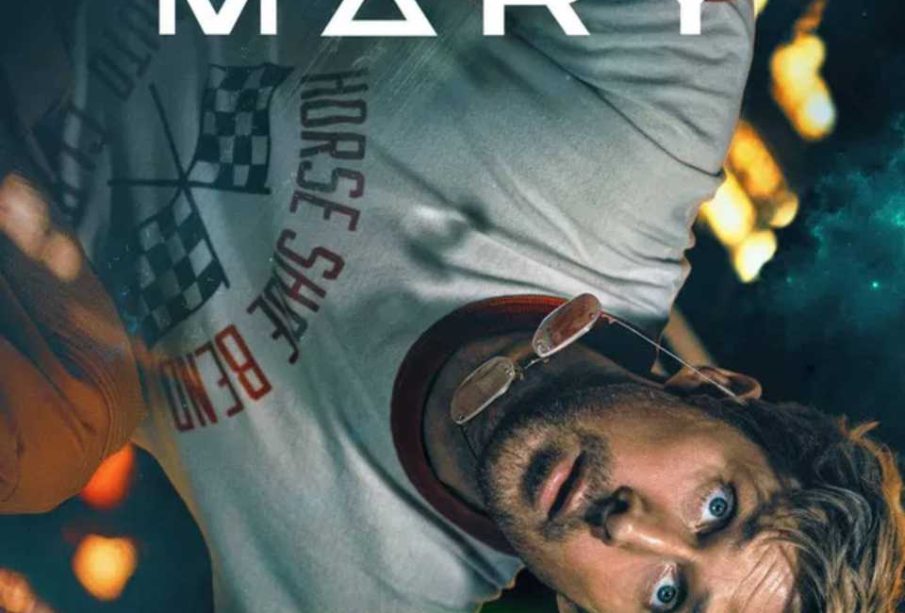
The novel follows Ryland Grace, a former schoolteacher who wakes aboard a spacecraft with no memory of how he got there. He gradually learns he is the lone surviving crew member of the starship Hail Mary and that his mission is to investigate and stop a microbial phenomenon known as “Astrophage” that is dimming the Sun and threatening Earth’s energy supply. Much of the story unfolds through Grace’s problem-solving, scientific experiments and log entries, emphasising methodical reasoning, improvisation and teamwork despite isolation.
A notable element of the book is its depiction of cross-species cooperation. Grace encounters an alien life-form — an engineer-like partner whose different biology and culture force both characters to exchange knowledge and adapt. The interaction underscores themes of communication, mutual reliance and the benefits of combining distinct perspectives to solve complex technical problems.
Critical response praised the novel’s pacing, blend of humour and tension, and its attention to scientific detail. Readers drawn to hard science fiction have highlighted the book’s hands-on approach to problem-solving, while others appreciate its human warmth and clear explanations that make challenging concepts approachable.
Conclusion: Significance and outlook
Project Hail Mary stands as an example of contemporary hard science fiction that balances technical fidelity with accessible storytelling. Its emphasis on collaboration, applied science and ingenuity makes it relevant beyond entertainment: educators and outreach programmes may continue to use it to spark interest in STEM, while general readers find a compelling narrative about resilience and cooperation. Given its themes and broad appeal, the novel is likely to remain a reference point in discussions about fiction that explores global threats and the role of science in addressing them.





