fpl: What managers need to know this season
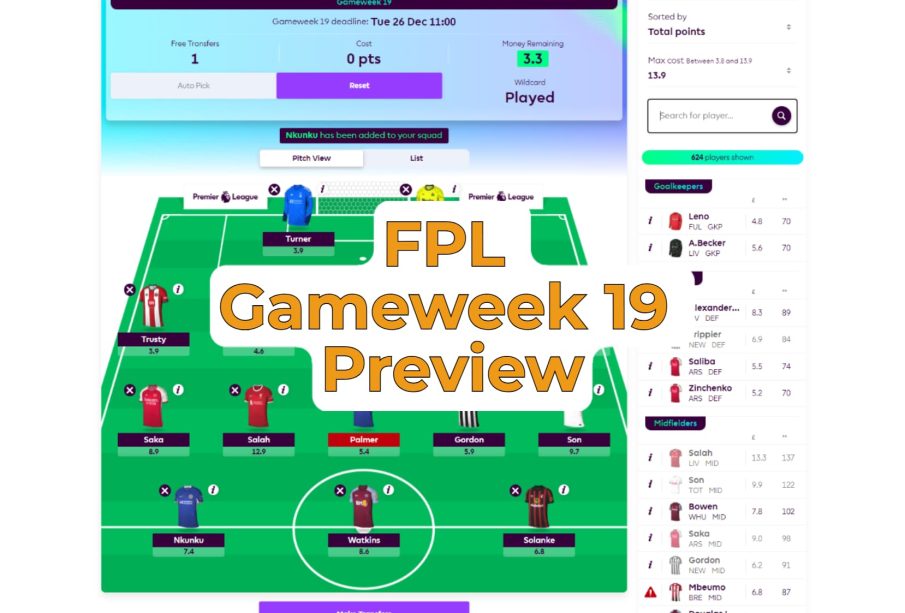
Introduction: Why fpl matters
The Fantasy Premier League (fpl) has become a cornerstone of modern football fandom, blending knowledge of the sport with weekly decision‑making and long‑term strategy. For millions of managers, fpl provides an added dimension to following the Premier League, turning fixtures, injuries and form into meaningful choices that influence weekly scores and season‑long standings. Understanding how the game works and which factors to monitor is essential for both newcomers and seasoned players.
Main body
How fpl works
fpl is the official fantasy game linked to the Premier League. Managers select a squad of players, choose a starting eleven each gameweek and name a captain whose points are doubled. The platform uses a points system based on minutes played, goals, assists, clean sheets and other match events. Managers are permitted a limited number of free transfers each week; additional changes typically incur point penalties. The game also offers strategic “chips” — such as Wildcard, Free Hit, Bench Boost and Triple Captain — that can be deployed to alter usual rules for a gameweek.
Key strategic considerations
Successful fpl management combines short‑term awareness with long‑term planning. Fixture difficulty, rotation risk, injury updates and a player’s underlying statistics all influence selection. Many managers monitor upcoming fixture runs to bring in players with easier opponents, while others prioritise form and ownership to avoid differential risks. Chip timing is often decisive: a well‑timed Wildcard can reset a struggling squad, while a Bench Boost during a double‑gameweek can yield large returns. Keeping abreast of press conferences and confirmed lineups ahead of deadlines improves transfer and captaincy choices.
Fan engagement and broader impact
Beyond individual leagues, fpl fosters community discussion, rivalry and ongoing engagement with matches that might otherwise pass as routine. It also influences media coverage and punditry, as fantasy managers seek data‑driven advice on player selection and risk management.
Conclusion
For readers who follow the Premier League, fpl offers a structured way to deepen engagement with each gameweek. The game rewards attention to fixtures, injuries and tactical context, and it places a premium on timely, informed decisions. Whether aiming for a mini‑league win or climbing the global rankings, managers who balance short‑term moves with season‑wide strategy are most likely to succeed.





