Chagos Islands: dispute, military base and islanders’ rights
Introduction
The Chagos Islands have become a focal point of international attention because they sit at the intersection of strategic military interests, environmental concerns and questions of decolonisation and human rights. The archipelago, including the strategically significant atoll of Diego Garcia, is claimed by Mauritius and administered by the United Kingdom. The competing claims and the legacy of the islands’ depopulation make the Chagos Islands relevant to policy-makers, former residents and regional neighbours.
Main developments and context
Strategic and military significance
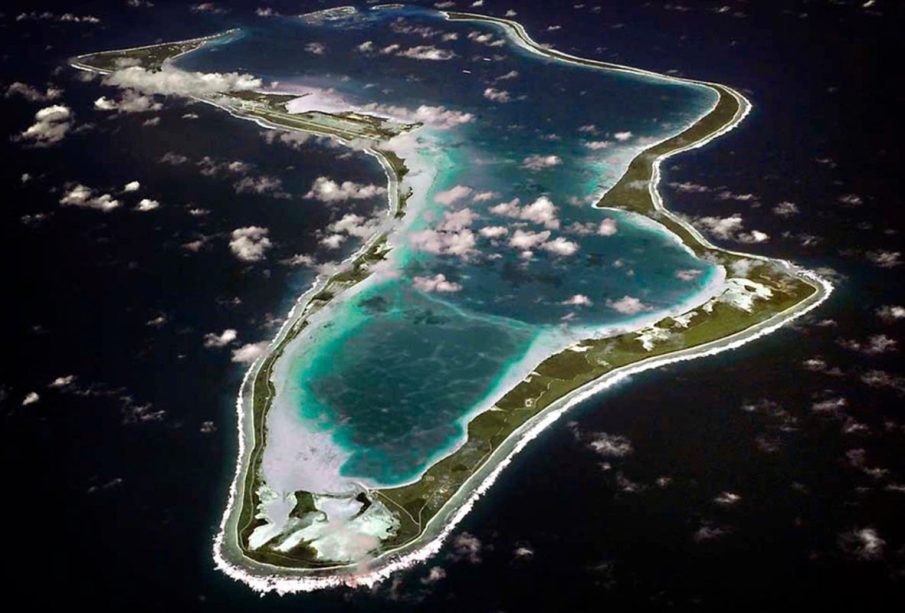
Diego Garcia hosts a major military facility used by the United States and its allies, making the atoll a linchpin for operations across the Indian Ocean. That presence is frequently cited by the United Kingdom and the United States as a factor in discussions over future arrangements for the territory.
Sovereignty dispute and international rulings
Mauritius asserts sovereignty over the Chagos Islands and has pursued the matter through international legal and diplomatic channels. International bodies have examined the history of the islands’ separation from Mauritius and the legal status of the current administration. Advisories and resolutions by international courts and the United Nations have urged clarification of sovereignty and called for a negotiated resolution between the parties.
Displacement and human rights
The islands were depopulated in the past, and the descendants of those displaced — commonly referred to as Chagossians — continue to seek redress, access to their ancestral lands and recognition of their rights. Legal actions and advocacy by Chagossian groups have kept attention on the humanitarian dimension of the dispute.
Environmental protections and management
Conservation measures and the establishment of marine protections in the waters around the islands have been part of the broader debate. Environmental stewardship, fishing rights and the management of natural resources are tied to discussions about sovereignty and the possible return of displaced people.
Conclusion
The Chagos Islands issue remains complex, combining strategic, legal and human rights elements. Continued diplomatic engagement and legal processes are likely to shape the archipelago’s future. For readers, the outcome will affect regional geopolitics, the prospects for Chagossian resettlement and how conservation and military interests are balanced in the Indian Ocean.





