Jollof Rice: West African Staple Gains Global Recognition
Introduction
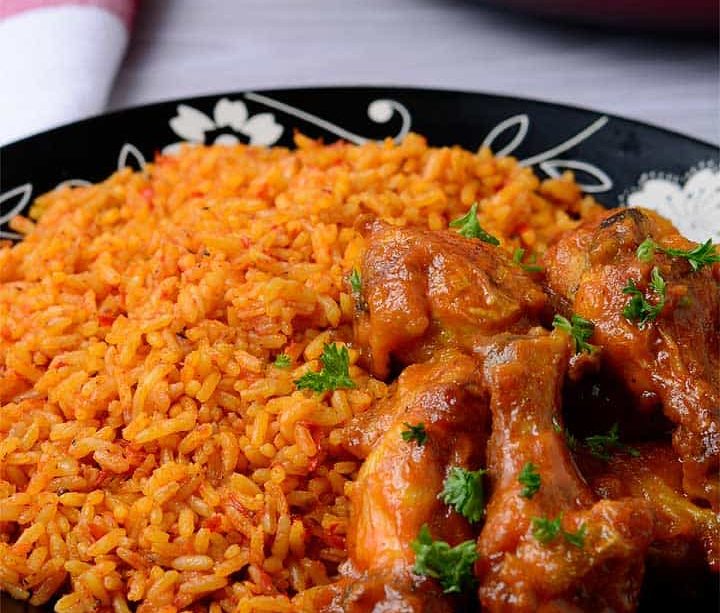
Jollof rice is more than a meal; it is a cultural touchstone across West Africa and an increasingly visible presence on the global culinary stage. The dish’s importance lies in its role as a daily staple, celebratory centrepiece and a symbol of regional identity. Interest from international diners, food writers and restaurants has made jollof rice a subject of broader conversation about food heritage, migration and modern gastronomy.
Main body
Origins, ingredients and regional variations
Rooted in West African cooking traditions, jollof rice is typically prepared with rice cooked in a seasoned tomato and pepper sauce, often enriched with onions, vegetable oil, stock and spices. Variations exist across countries and households: some regions add tomatoes and scotch bonnet peppers for heat, others include smoked fish, meat or vegetables. While the dish is closely associated with nations such as Nigeria, Ghana and Senegal, the precise origins and ideal preparation methods are diverse and shaped by local tastes and ingredients.
Contemporary interest and cultural conversation
In recent years jollof rice has been at the centre of friendly national rivalries, social-media debates and culinary showcases. These conversations reflect broader questions about authenticity and adaptation as diaspora communities adapt traditional recipes abroad and chefs reinterpret the dish in gourmet settings. Pop-ups, food festivals and restaurant menus in cities worldwide increasingly feature jollof, introducing new audiences to its flavours while prompting discussion about preservation of culinary heritage.
Economic and social impact
Jollof rice’s popularity also has economic implications. Demand for regional ingredients supports producers and retailers, and culinary tourism to West African restaurants and markets benefits local economies. The dish serves as an accessible entry point for cultural exchange, enabling small businesses and food entrepreneurs to reach wider markets.
Conclusion
As jollof rice continues to travel beyond its traditional home, its role as both everyday food and cultural emblem will likely grow. Expect continued experimentation on menus and in home kitchens, alongside ongoing conversations about origin and authenticity. For readers, jollof rice represents an opportunity to explore West African flavours and the stories they carry — whether at a family gathering, a street-food stall or a restaurant menu abroad.





