Sir Chris Hoy’s Lasting Impact on British Cycling
Introduction: Why Chris Hoy Still Matters
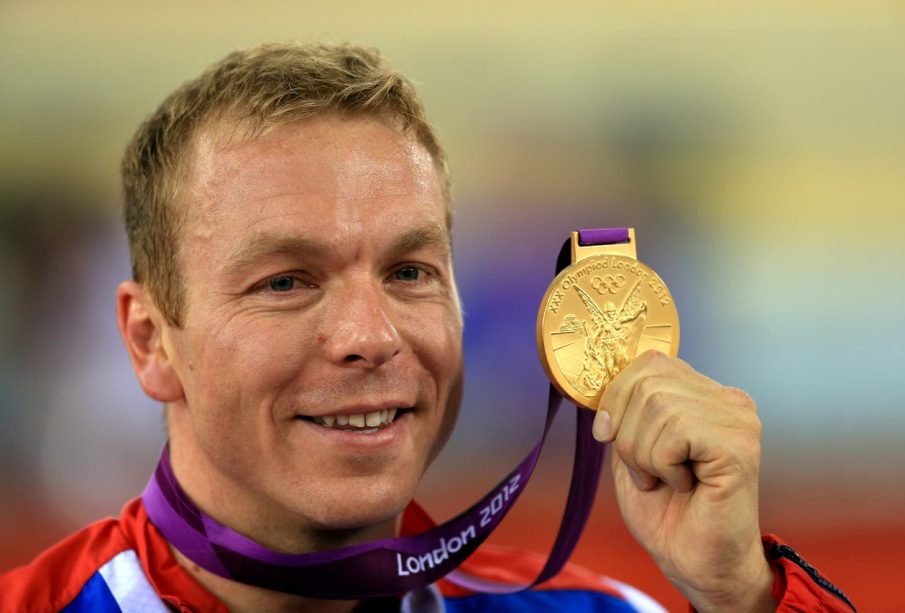
Sir Chris Hoy is widely regarded as one of Great Britain’s most successful Olympians. His achievements on the track — including six Olympic gold medals and multiple World Championship titles — established him as a defining figure in modern British sport. The topic is important because Hoy’s career helped raise the profile of track cycling nationally, contributed to major investment in facilities and coaching, and continues to influence policy, participation and athlete development.
Main body: Achievements and Ongoing Activities
Sporting legacy
Born in Edinburgh, Sir Chris Hoy enjoyed a decorated career in track cycling. He won six Olympic gold medals and a host of World Championship titles, becoming a symbol of British excellence at successive Games. His performances played a prominent role in the rise of UK Cycling’s international competitiveness and helped to popularise the sport among a new generation of riders.
From competition to advocacy
Since retiring from elite competition, Hoy has remained an active public figure. He has engaged in media work, supported cycling initiatives and lent his profile to efforts aimed at encouraging grassroots participation. His advocacy focuses on improving access to facilities, supporting coaching pathways and promoting cycling as a healthy, accessible mode of transport and recreation for all ages.
Broader influence
Hoy’s impact reaches beyond medals. The attention he brought to velodromes and development programmes helped secure funding and foster partnerships between governing bodies, local authorities and schools. His name is often cited when national sporting bodies discuss how elite success can translate into stronger community provision and talent pipelines.
Conclusion: What It Means for Readers
Sir Chris Hoy’s career offers lessons about the long-term value of investing in sport. For policymakers, coaches and parents, his legacy underlines the importance of sustaining grassroots opportunities alongside elite funding. For aspiring cyclists, his story remains an encouraging example of how individual achievement can help transform a sport’s national standing. Looking ahead, Hoy’s continuing advocacy and public presence are likely to keep cycling in the conversation as the UK plans for future international competitions and community health initiatives.





