Plans for a King Charles III Coastal Path Spark Debate
Introduction: Why a coastal path matters
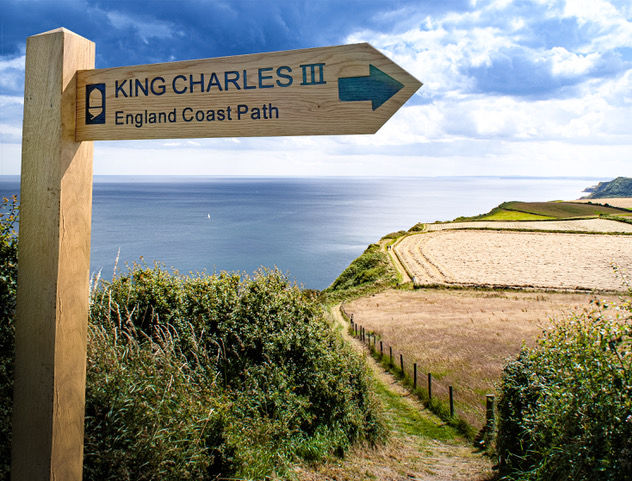
Proposals to establish a King Charles III Coastal Path have attracted attention for their potential to expand public access to the UK coastline, promote conservation and boost local economies. Coastal routes offer recreational, health and tourism benefits while acting as platforms for stewardship of fragile marine and cliff habitats. Given rising interest in outdoor activities and coastal climate pressures, the idea of a named national route has become a timely subject for policymakers, landowners and conservation groups.
Main developments and key considerations
What advocates are proposing
Supporters suggest a coast-to-coast or perimeter route that would link existing rights of way, footpaths and coastal attractions under a single, branded initiative. The concept often emphasises improved signage, consistent waymarking, accessible sections for people with reduced mobility and stronger protection for sensitive habitats. Proponents argue such coordination could mirror successful models, such as the Wales Coast Path, by providing a continuous public route and a clear identity for marketing and conservation work.
Stakeholders and practical challenges
Any national coastal path would require cooperation between national and local government bodies, landowners, conservation organisations and community groups. Key challenges include negotiation over private land, funding for path creation and maintenance, management of coastal erosion and sea-level rise, and balancing visitor access with habitat protection. Environmental bodies caution that increased footfall must be managed to avoid disturbance to nesting birds, dune systems and intertidal zones.
Economic and social impacts
Local businesses could benefit from increased visitor spending in accommodation, food and outdoor services, particularly in less accessible coastal communities. Health and wellbeing gains are also highlighted, with walking routes contributing to physical activity and mental health. However, equitable access and infrastructure—public transport links, parking, and waste management—would need planning to ensure benefits are widely distributed.
Conclusion: Outlook and significance
The notion of a King Charles III Coastal Path remains at the proposal and advocacy stage, representing both opportunity and complexity. If pursued, it would likely be delivered in phases with detailed environmental assessments and stakeholder negotiations. For readers, the proposal signals growing public interest in coastal access and conservation; those affected should watch for formal consultations and funding announcements, and participate to shape outcomes that balance access, local benefit and nature protection.





