Liverpool weather: what residents should know
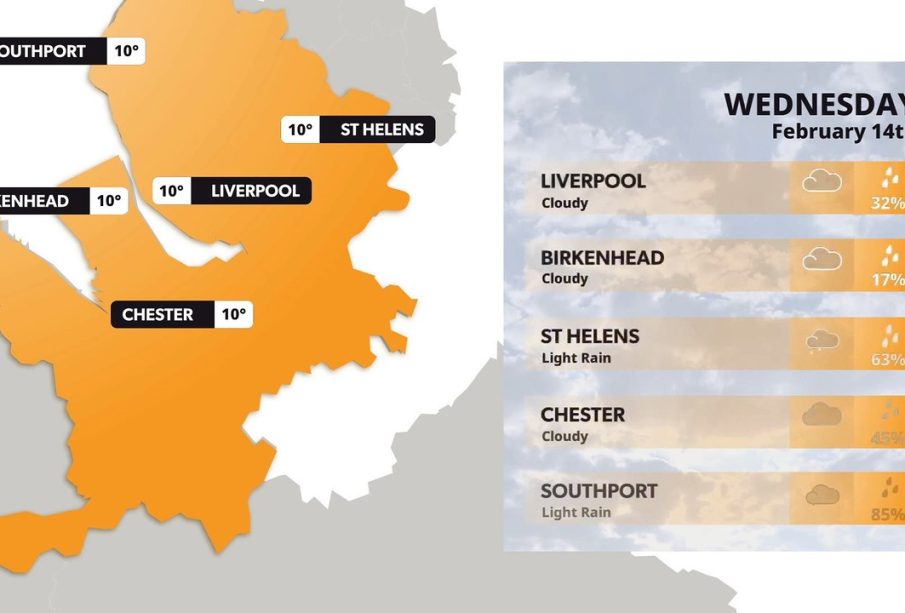
Introduction: Why Liverpool weather matters
Liverpool weather affects daily life across the city—from commuting and outdoor events to shipping on the Mersey and tourism at the waterfront. Its coastal location on the Irish Sea means conditions can change quickly, making timely and reliable forecasts important for residents, businesses and visitors alike.
Main body: Typical patterns and practical details
Coastal influence and variability
Liverpool experiences a maritime climate. Proximity to the sea generally moderates temperatures, producing relatively mild winters and cool summers compared with inland areas. However, the Irish Sea also contributes to variability: fronts can bring spells of rain and wind, while calmer periods often follow high-pressure systems.
Seasonal tendencies
Winters tend to be milder than further north or inland, but they can be damp and grey with frequent rainy days. Summers are usually moderate, with sunny intervals interspersed with showers. Autumn and spring are changeable, with the potential for rapid shifts between wet, windy and settled conditions.
Impacts on daily life
Rain and wind influence travel across the city, affecting roads, public transport and cycling. Strong onshore winds can increase spray and rough conditions around the waterfront and ferry crossings. For event organisers and tourists, planning should account for the possibility of short, heavy showers and blustery interludes.
Where to get reliable information
For up-to-date, verified information consult official forecasting services such as the Met Office and the BBC Weather Centre, or local council alerts for travel disruptions and flood warnings. These services provide short-term forecasts, warnings and guidance tailored to the North West and Liverpool area.
Conclusion: What readers should take from this
Understanding Liverpool’s maritime climate helps residents and visitors plan effectively. Expect changeable conditions, particularly rain and wind, and check trusted local forecasts before travelling or scheduling outdoor activities. For businesses and organisers, building flexibility into plans and monitoring official warnings will reduce disruption and keep people safe.





